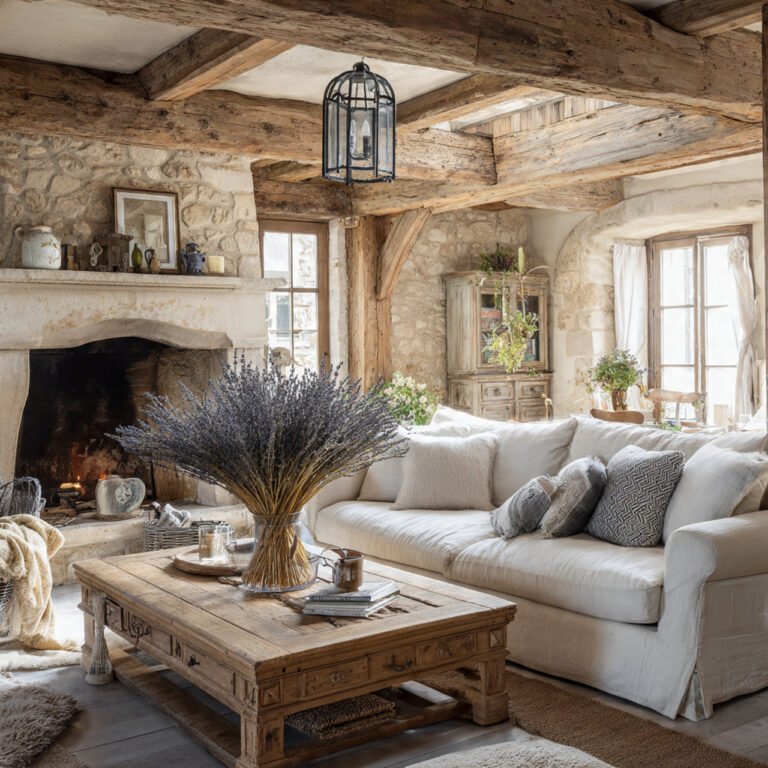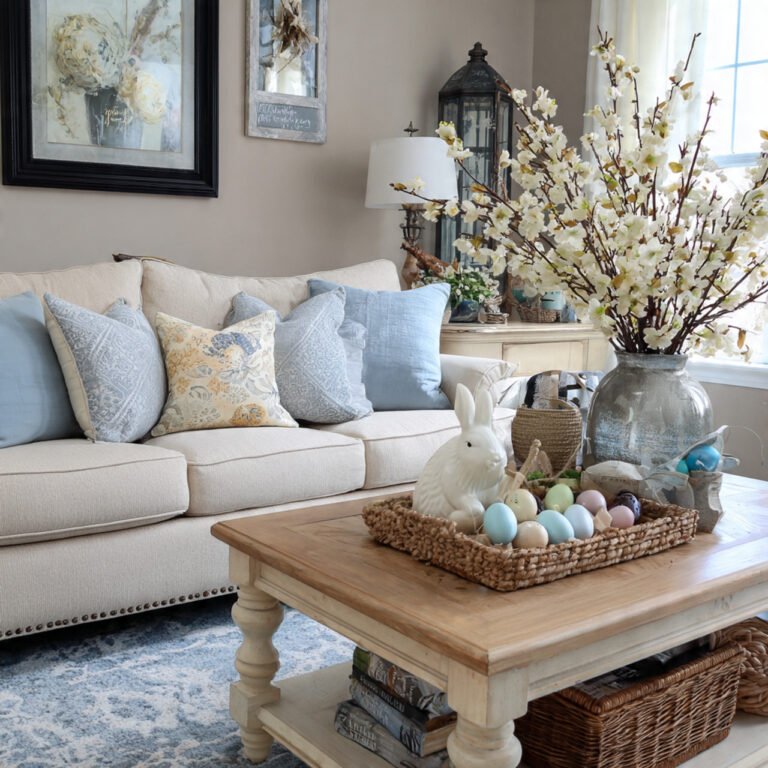
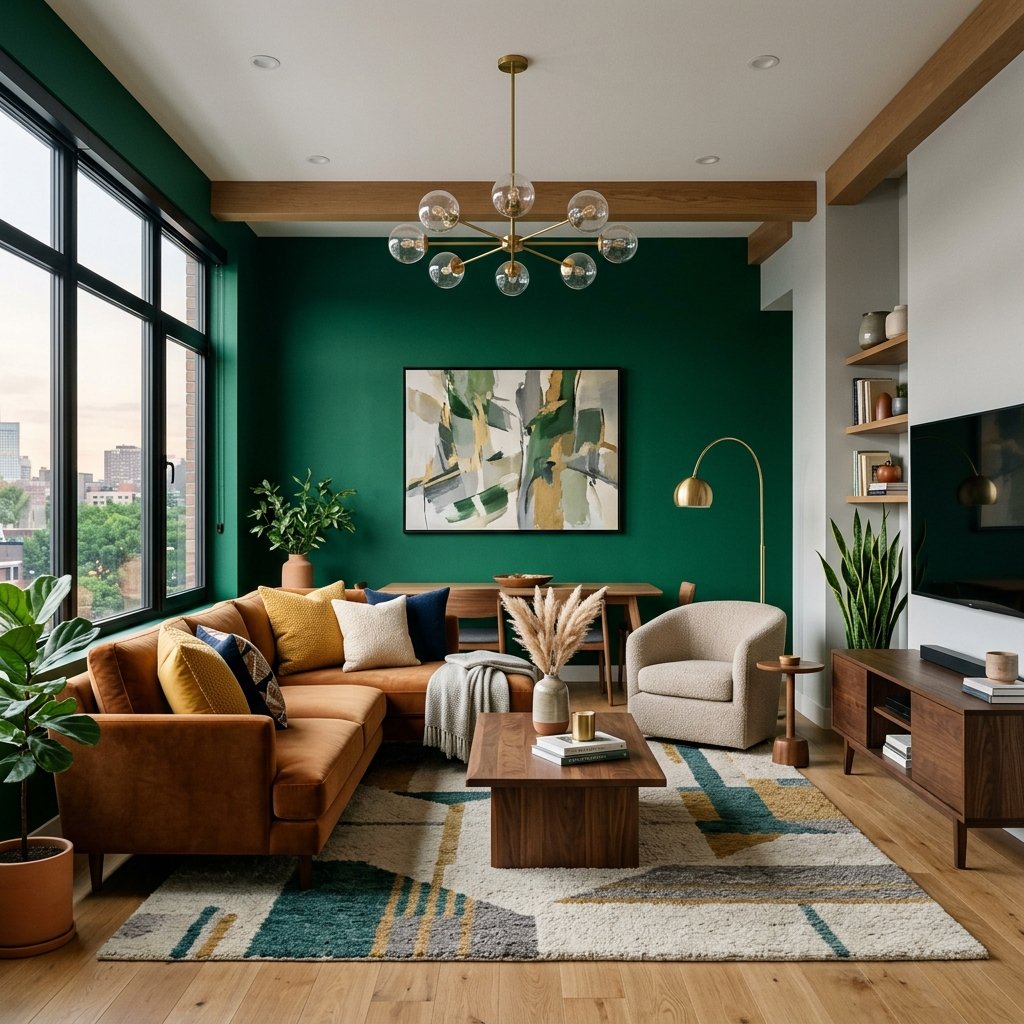
Modern Living Room Color Ideas: 30 Stunning Palettes for Your Home
Modern living room color ideas go far beyond choosing a single shade for your walls and calling it done. The right palette transforms your space into a reflection of who you are while maintaining that clean, intentional aesthetic modern living demands. Your living room is where functionality meets personality, and color plays the leading role in that conversation.
Whether you’re drawn to warm neutrals or cool minimalism, the choices you make today shape how your space feels for years to come. The freedom of modern design means you’re not locked into conventional wisdom or outdated color trends that fade fast. Instead, you get to explore combinations that feel authentic to your home and your lifestyle.
Best Modern Living Room Color Ideas to Explore
The beauty of modern design lies in its flexibility and refusal to play it safe with predictable, boring choices you’ve seen before. From Scandinavian-inspired palettes to industrial-influenced neutrals, modern living room color ideas embrace contrast, texture, and deliberate purpose throughout your space. Each color direction carries its own energy and works differently depending on your natural light, existing furniture, and personal taste.
What matters most is understanding why certain combinations resonate with modern design principles rather than just copying what you see online. Color isn’t something you apply randomly; it’s something you choose strategically based on how light moves through your room. Your Modern living room color becomes the foundation for everything else you bring into that space, from furniture to art to accessories.
Warm Greige as Your Foundation Color
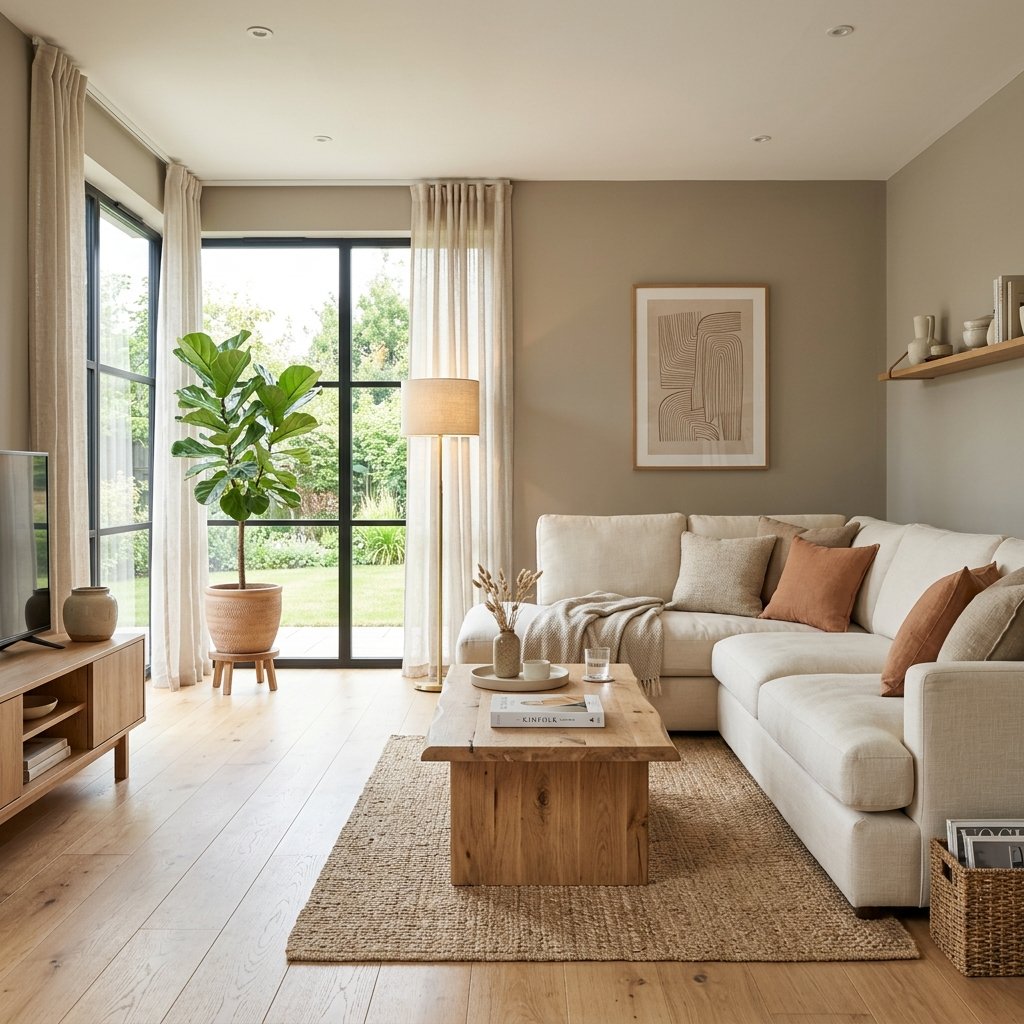
Warm greige sits perfectly between beige and gray, giving you sophistication without the coldness that pure gray sometimes brings to a space. This color works beautifully as your main wall color because it accepts light differently throughout the day without looking dramatic. Pair warm greige with natural wood tones, and you’ve created a foundation that feels intentional and grounded in your home.
The magic of greige lies in its neutrality paired with subtle warmth that makes spaces feel inhabited and lived-in rather than sterile. You can add depth with darker wooden furniture or keep things light and airy depending on your preference and room size.
Soft Gray Paired with Natural Wood Tones
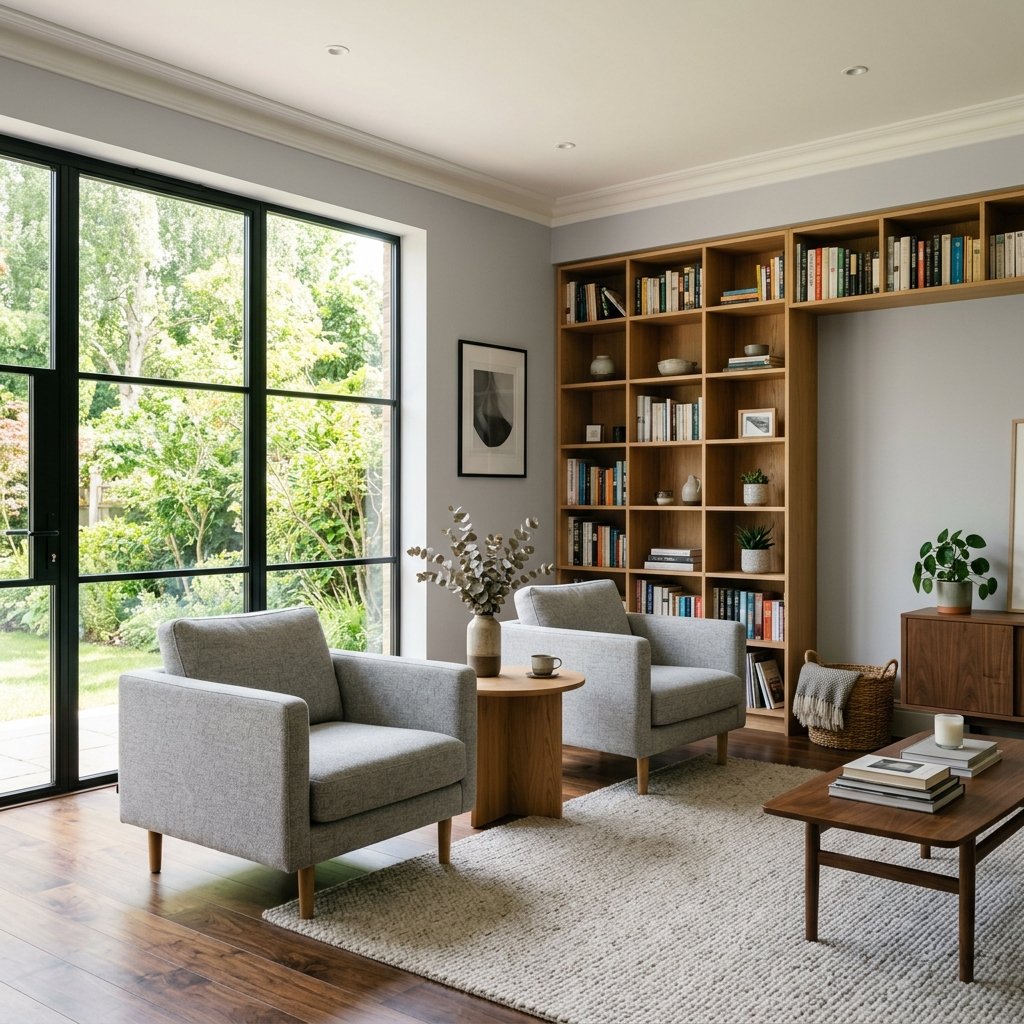
Soft gray walls create an elegant canvas that lets your furniture and decor tell the real story of your space design. Wood flooring or wooden accent pieces become visual anchors that prevent the gray from feeling too cool or institutional in any way. This combination respects the minimalist ethos while adding organic warmth through natural materials and textures throughout your room.
When natural light streams through your windows, soft gray reflects that light beautifully and makes your space feel larger and more open. The wooden elements ground the color scheme and connect your interior to the natural world outside your living room windows.
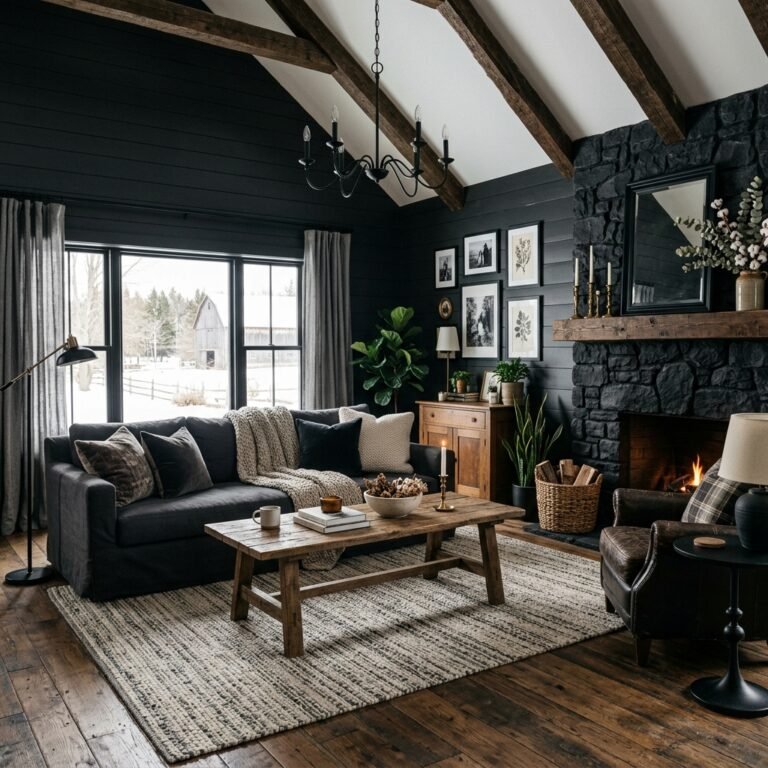
Charcoal Walls with Cream Accents
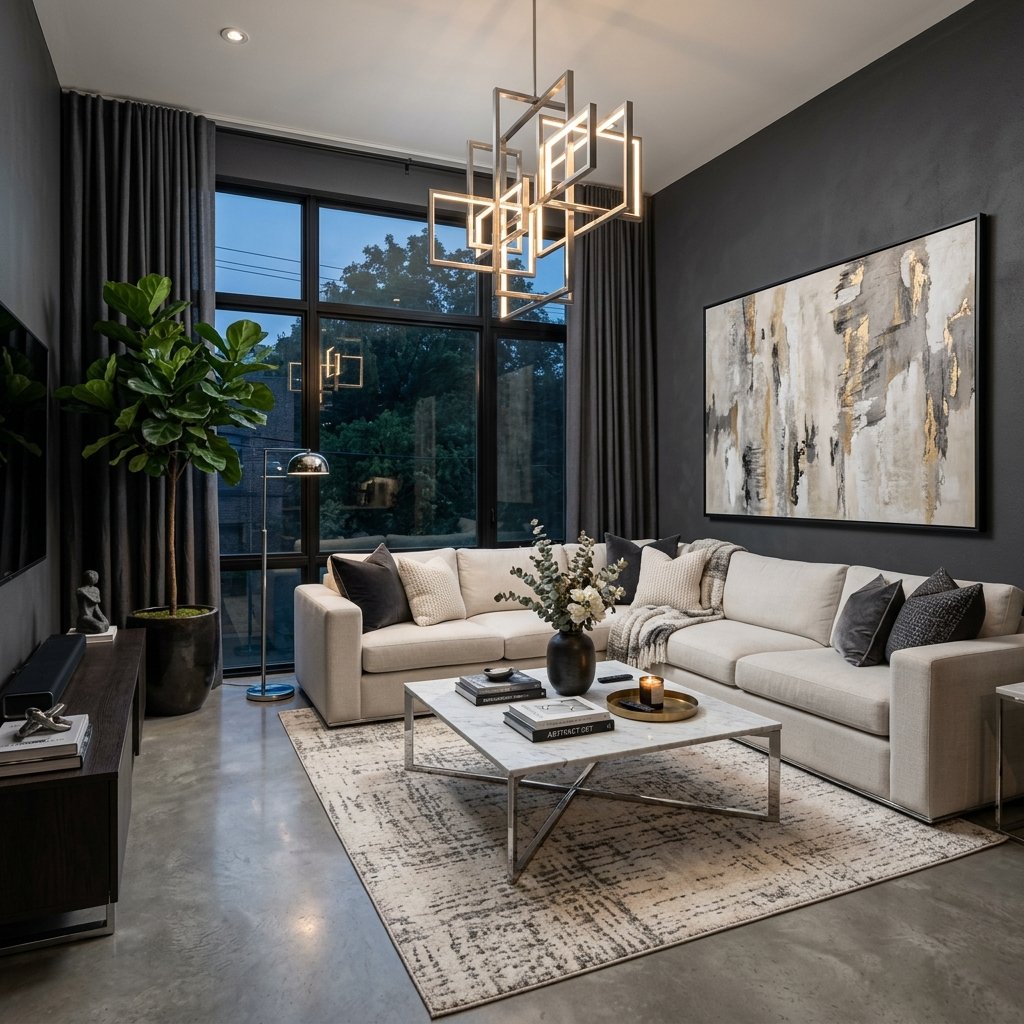
Charcoal creates dramatic impact for homeowners ready to embrace darker, bolder color choices in their modern living room color space. This isn’t a timid choice, but it works when you balance it with cream-colored furniture, light wood pieces, or cream-colored textiles and accessories. The contrast between dark walls and light furnishings creates visual interest without feeling chaotic or overwhelming to your eye.
Charcoal walls demand confident furniture choices and good lighting to prevent your room from feeling like a cave. Position your seating to face windows where possible, and use accent lighting to highlight architectural features and carefully chosen decor pieces.
Read More: 32 Stunning Lamps Decor Ideas for Every Room & Style – Bohemian to Modern Designs
Minimalist All-White Living Room Approach

An all-white living room takes courage because there’s nowhere to hide imperfections or dust in spaces this stark and exposed. However, when executed well, white creates maximum calm and serves as the ultimate backdrop for showcasing furniture, art, and the few objects you choose to display. This approach belongs firmly in the minimalist design philosophy where every piece earns its place in your room.
The key to making white work is varying your textures—think white linen, white marble, white painted wood, and white ceramic pieces together. Lighting becomes crucial since white reflects every ray of light, so your room will feel different in morning versus evening hours.
Navy Blue as a Modern Accent Wall
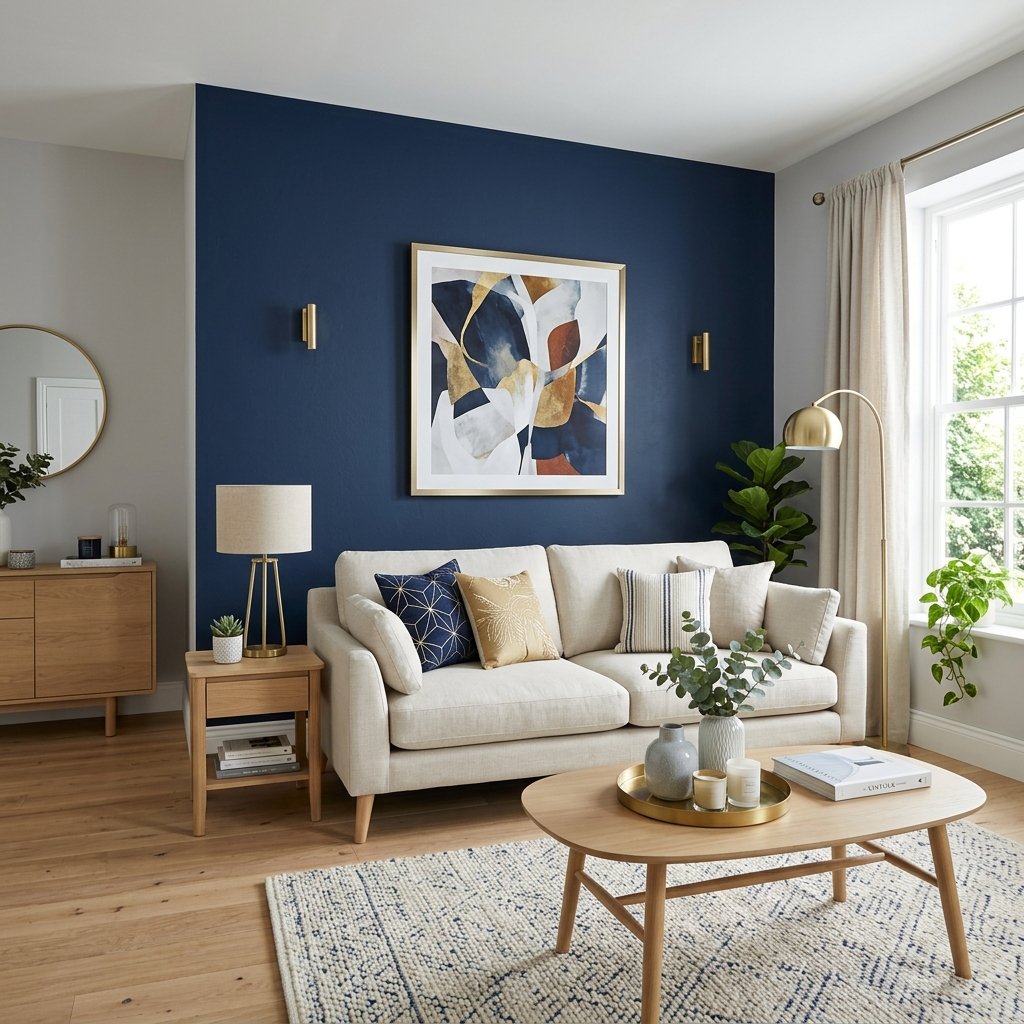
Navy blue brings sophistication and depth to a modern living room color when used as a single accent wall behind your seating area. This color reads as serious and intentional rather than playful, anchoring your space with masculine energy that many homeowners find appealing. Navy works especially well if your furniture includes lighter woods or cream-colored upholstery that contrasts beautifully with the darker walls.
An accent wall in navy allows you to introduce color without committing your entire room to a bold choice that might feel limiting. You maintain flexibility with your other walls while still creating a focal point that draws attention and conversation.
Warm Beige with Terracotta Touches
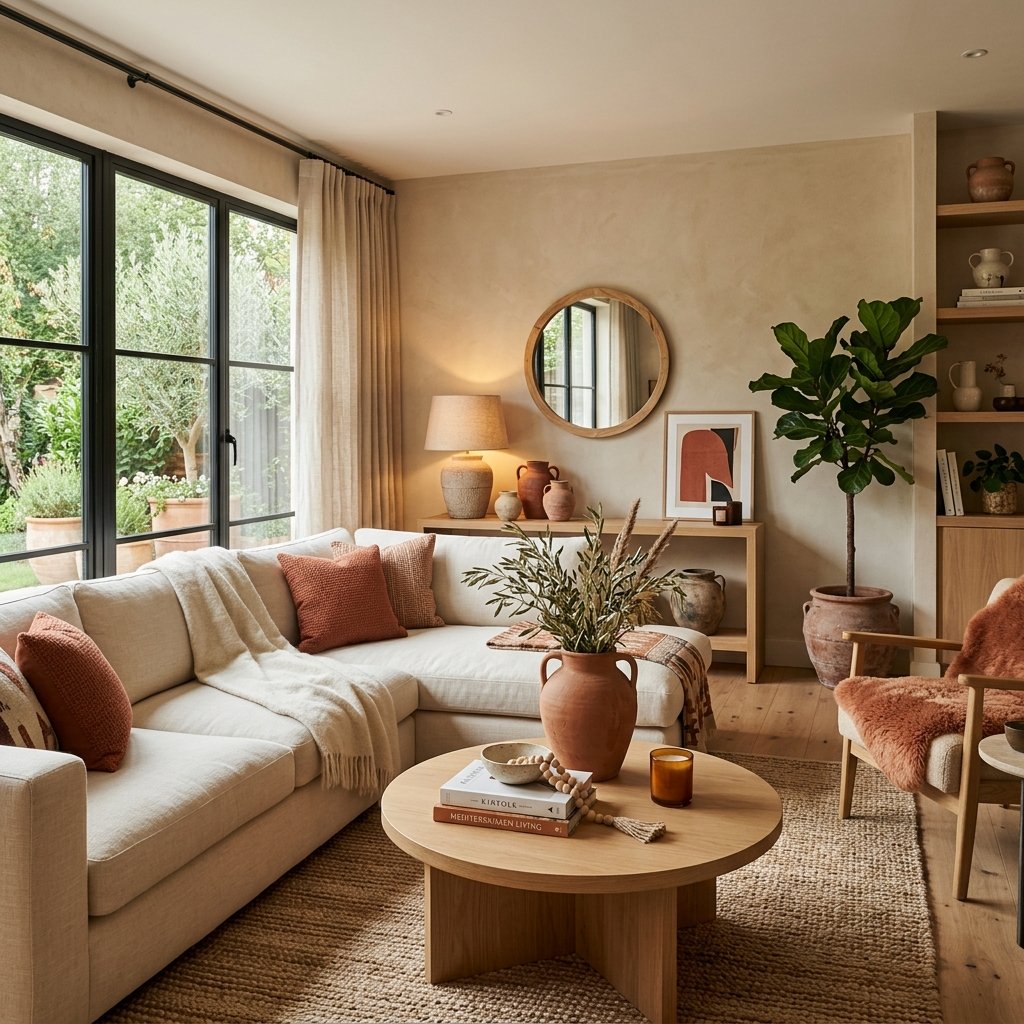
Warm beige provides a neutral base that feels timeless and works with virtually every furniture style you might choose for your modern living room color space. Terracotta accents introduce earthy warmth—through pillows, artwork, ceramic pieces, or even a single terracotta accent wall if you’re feeling adventurous. This combination nods to Mediterranean and Scandinavian influences while remaining distinctly modern and sophisticated in execution.
Terracotta doesn’t have to dominate your space; even small touches bring organic warmth that beige alone sometimes lacks in cooler climates. The combination feels welcoming without sacrificing the clean lines and purposeful aesthetic that defines modern design philosophy.
Cool Gray in Open Concept Spaces
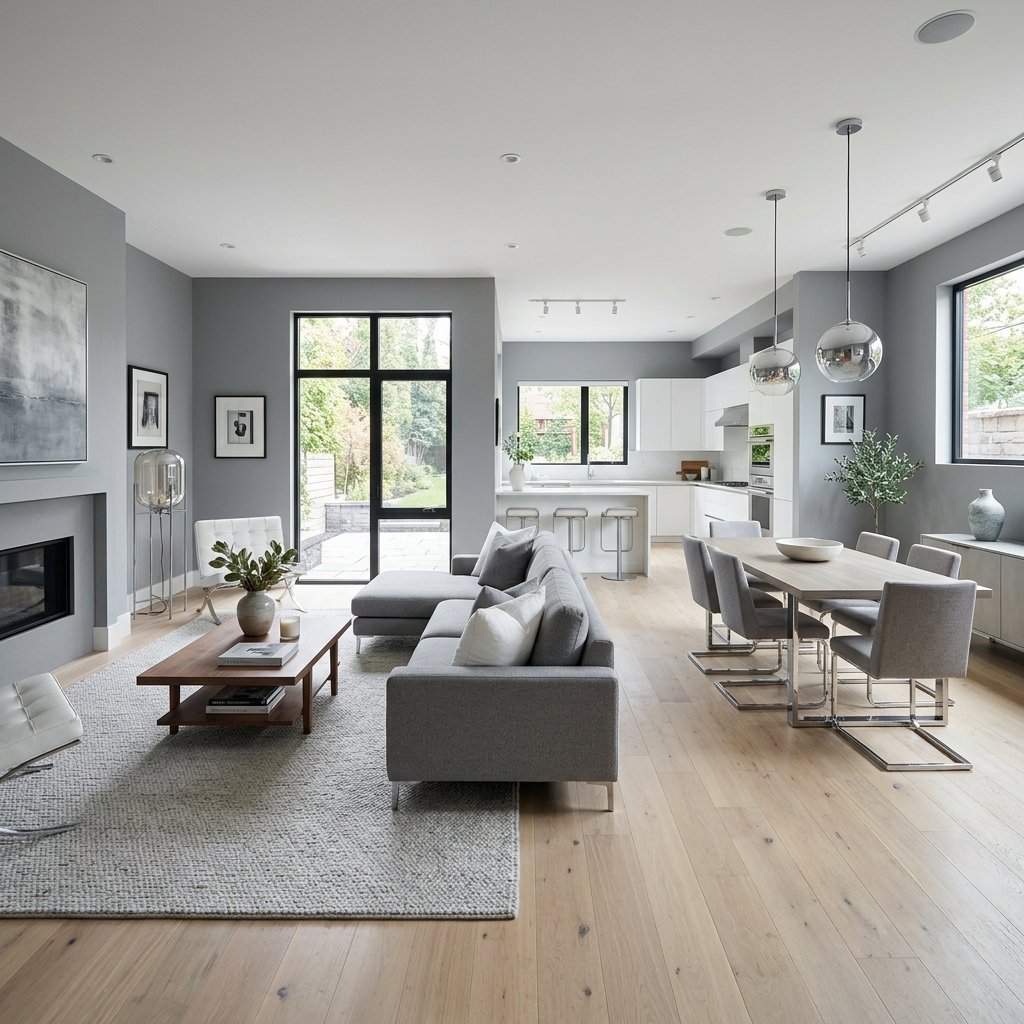
Cool gray walls serve open concept living areas beautifully because they create visual cohesion without interrupting sight lines across your space. This color choice allows different functional zones to feel connected while maintaining distinct purposes and separate energy. Gray is forgiving when lighting changes throughout the day in open spaces with multiple windows and varying light angles.
Open concept rooms benefit from color choices that don’t overwhelm or segment the space visually, and cool gray accomplishes this elegantly. You can add warmth through furniture, textiles, and accessories without fighting against wall colors that would demand attention.
Emerald Green for Scandinavian Influence
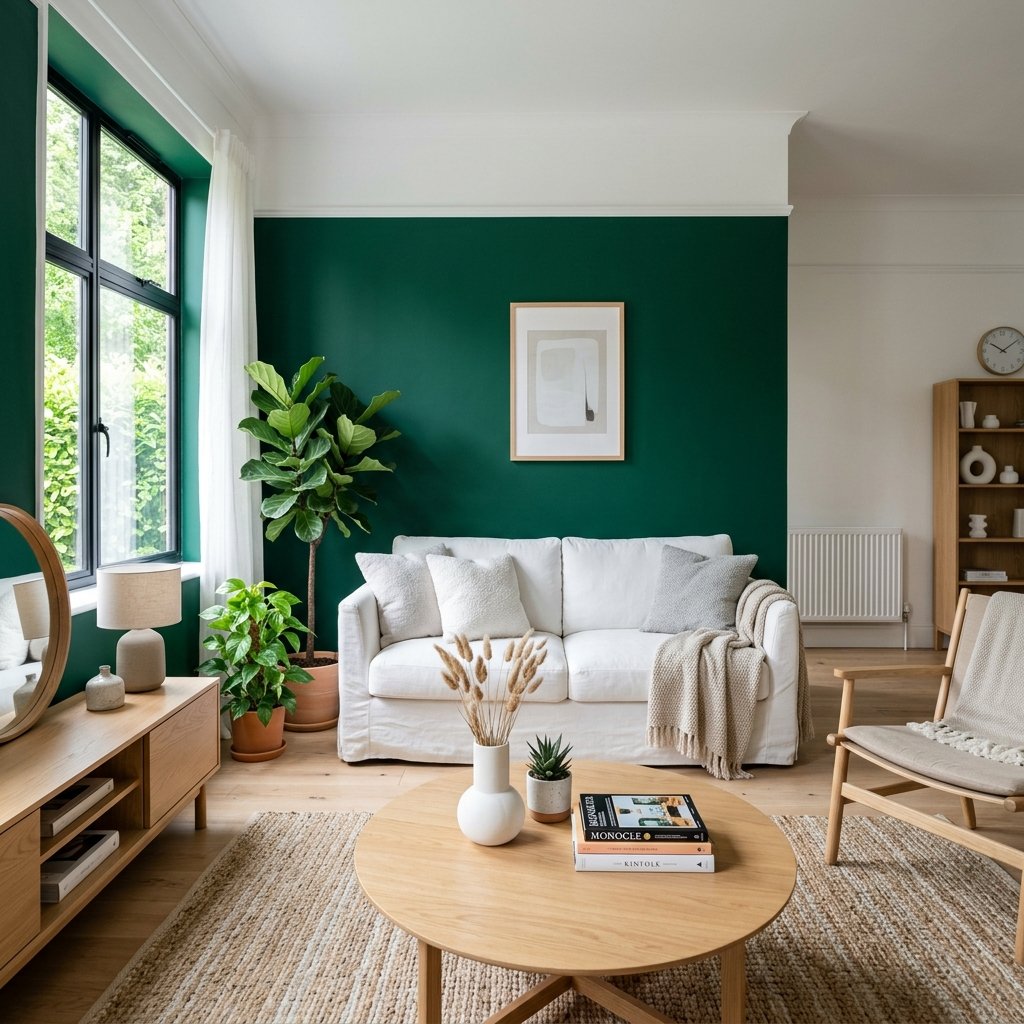
Emerald green brings nature directly into your living room and aligns beautifully with Scandinavian design principles that emphasize organic beauty. This jewel tone works as an accent wall or even all four walls if you have confidence and good natural light to support the darker shade. Pair emerald with light wood, white accents, and minimal furnishings to achieve authentic Scandinavian modern living room color aesthetics in your home.
Emerald works best in rooms with plenty of natural light since it’s a darker, more saturated color that absorbs light instead of reflecting it. This color choice feels luxurious and intentional rather than trendy, so it should age well in your home for years to come.
Warm Taupe with Concrete Aesthetics
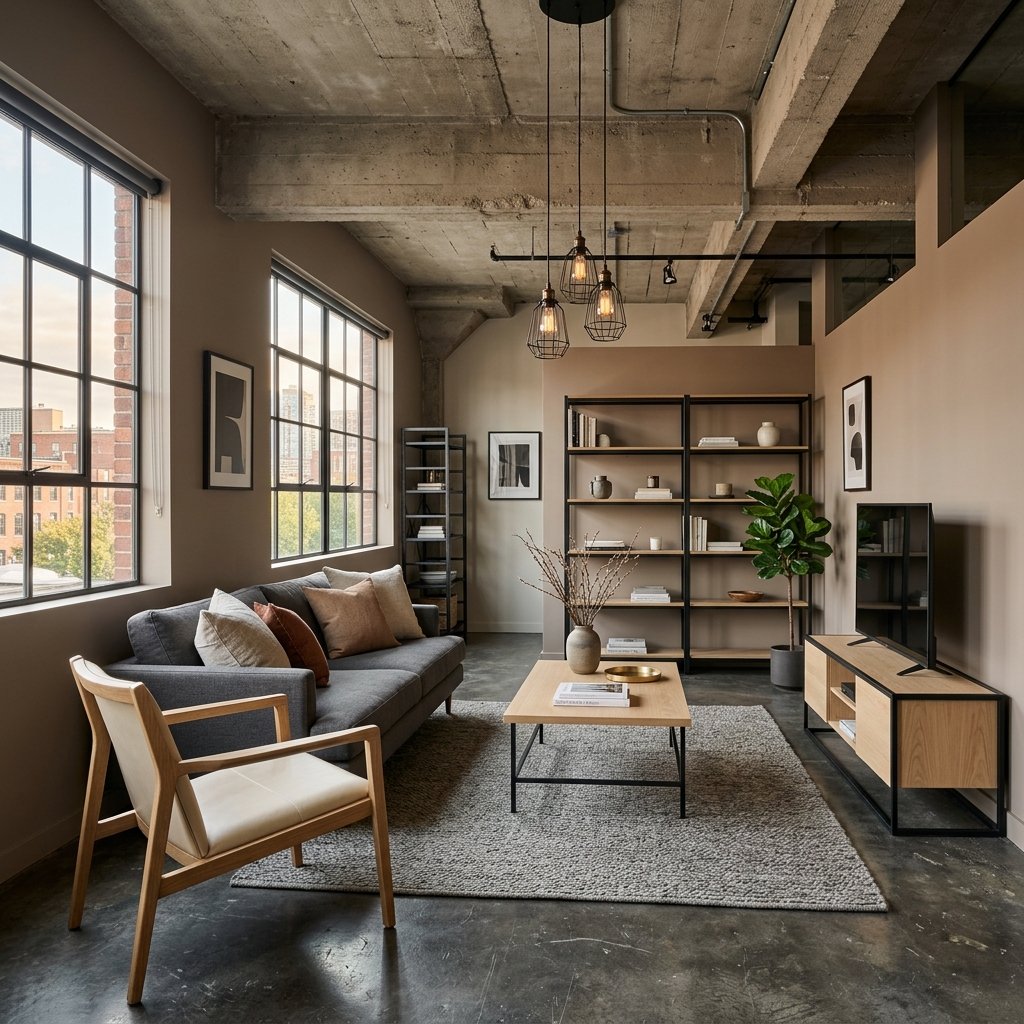
Warm taupe walls give you neutrality with a hint of warmth that concrete and industrial materials amplify beautifully in modern living room color spaces. If your room features exposed brick, concrete floors, or industrial metal fixtures, warm taupe becomes the perfect companion color that honors those elements. This palette respects the industrial design movement while maintaining approachability and comfort in your everyday living space.
Concrete textures and finishes become architectural features when your wall colors support rather than compete with them. Warm taupe creates harmony with these raw materials while introducing just enough warmth to prevent industrial spaces from feeling harsh.
Black and White Contrast Strategy
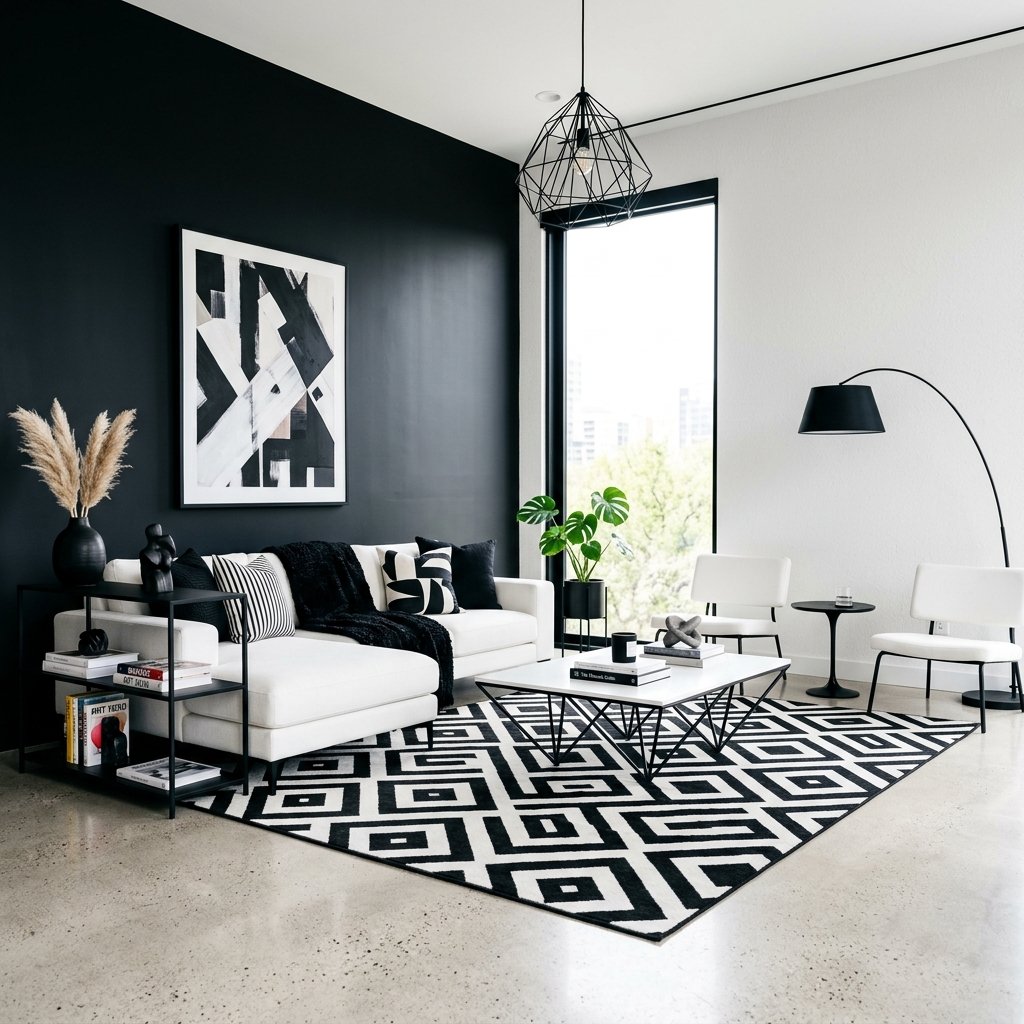
Black and white represents the ultimate modern living room color statement—stark, bold, and uncompromising in its commitment to high contrast visual drama. This approach works beautifully for homeowners who love graphic design principles and aren’t afraid of bold color choices in their living spaces. The contrast creates energy and movement that subtle color palettes simply can’t achieve in the same way.
You might paint one wall black while keeping others white, or incorporate black through significant furniture pieces and white through walls and larger accessories. This strategy requires careful lighting to ensure neither color dominates uncomfortably or creates shadows that make your space feel smaller.
Soft Sage Green for Calm Minimalism
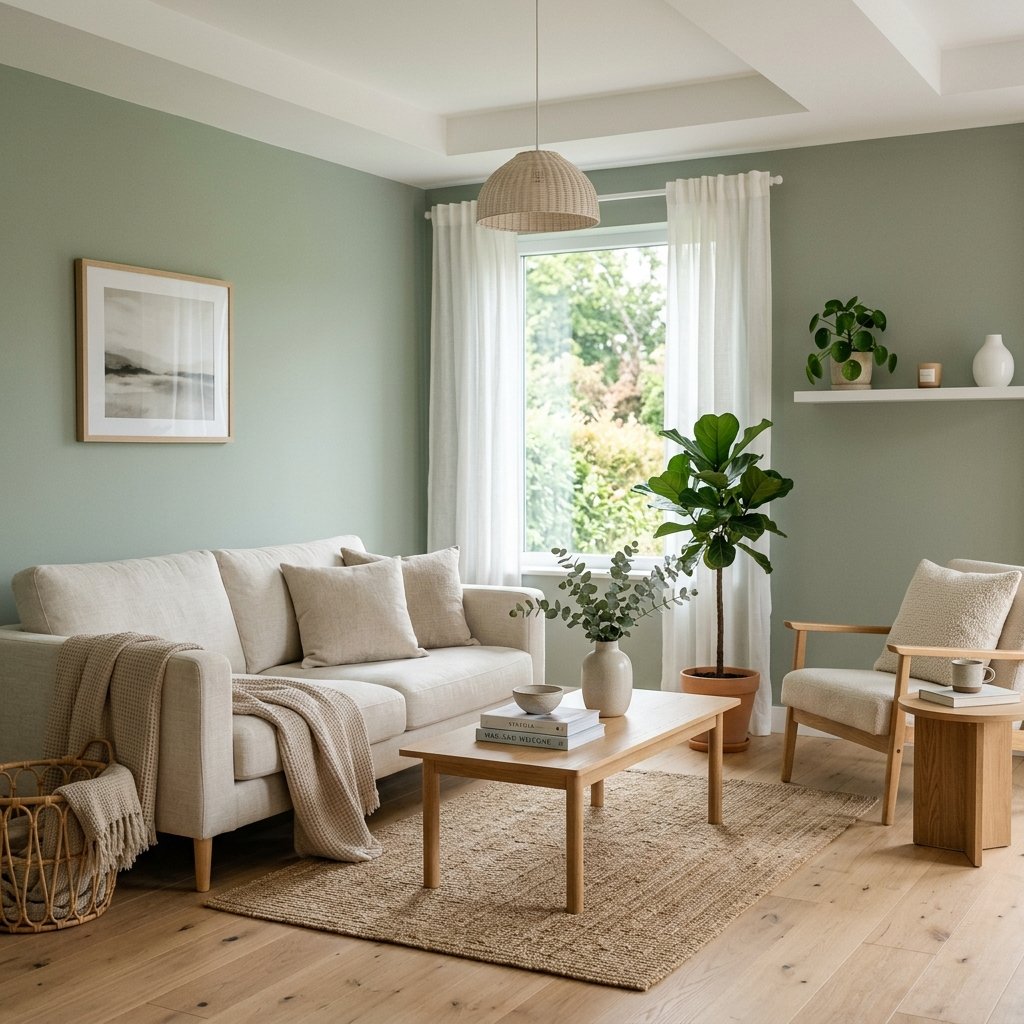
Soft sage green brings nature indoors while respecting the minimalist ethos that defines modern design principles and philosophies. This muted green shade works beautifully in rooms where you want to encourage relaxation, contemplation, and peaceful moments away from daily stress. Pair sage with natural materials like wood and linen to amplify the connection to nature and organic design.
Sage green feels inherently modern without trying too hard or appearing trendy in a way that might feel dated within a few years. This color choice signals intentionality and thoughtful design rather than following whatever color trend happens to be popular at the moment.
Warm Cream with Wood and Metal
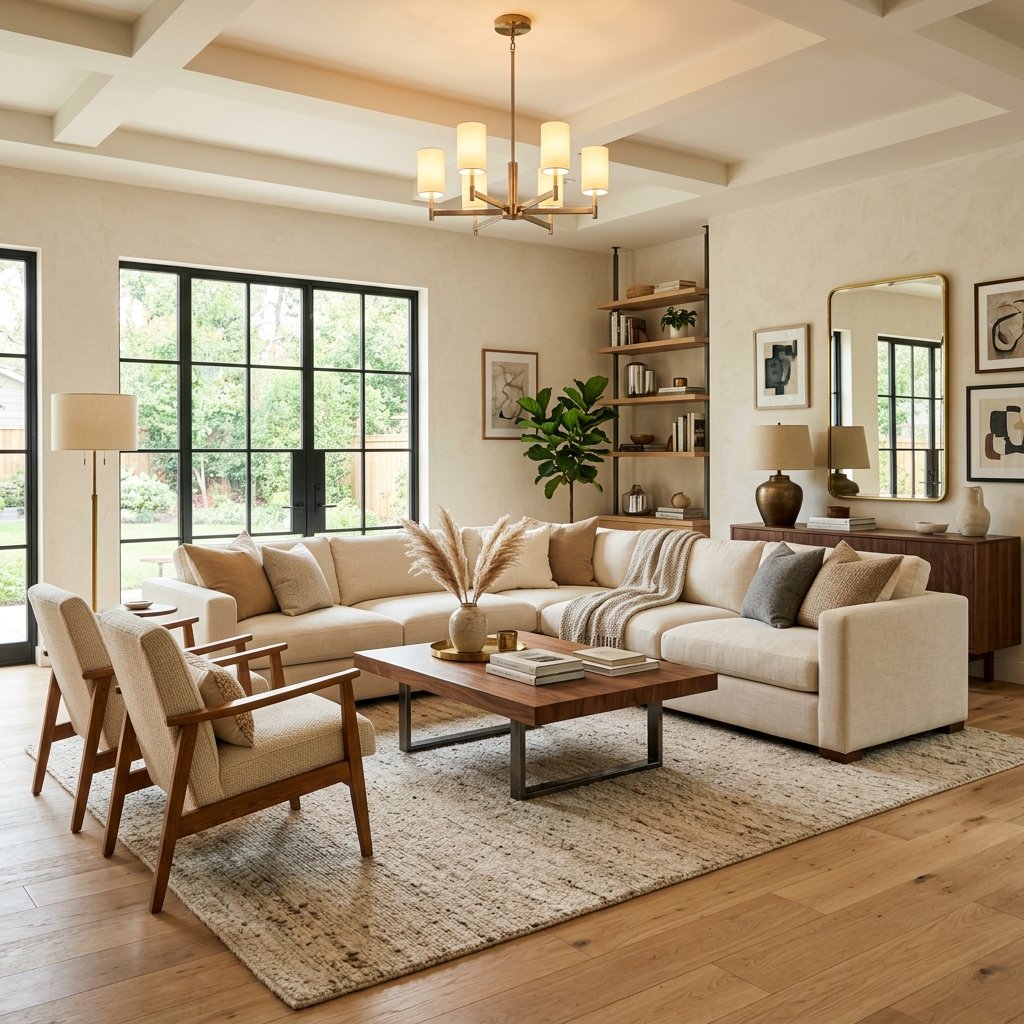
Warm cream walls create a soft, approachable foundation that welcomes you home the moment you enter your living room. Layer in wooden furniture pieces and metal accents like steel shelving or bronze light fixtures to add visual interest and textural variety. This combination feels both modern and timeless, allowing your space to evolve as your furniture and decor preferences change over time.
Cream works beautifully with both contemporary and mid-century modern furniture, giving you flexibility in how you style your space. The warmth prevents cream from feeling cold or clinical while remaining fresh and clean in aesthetic approach.
Industrial Gray with Warm Lighting
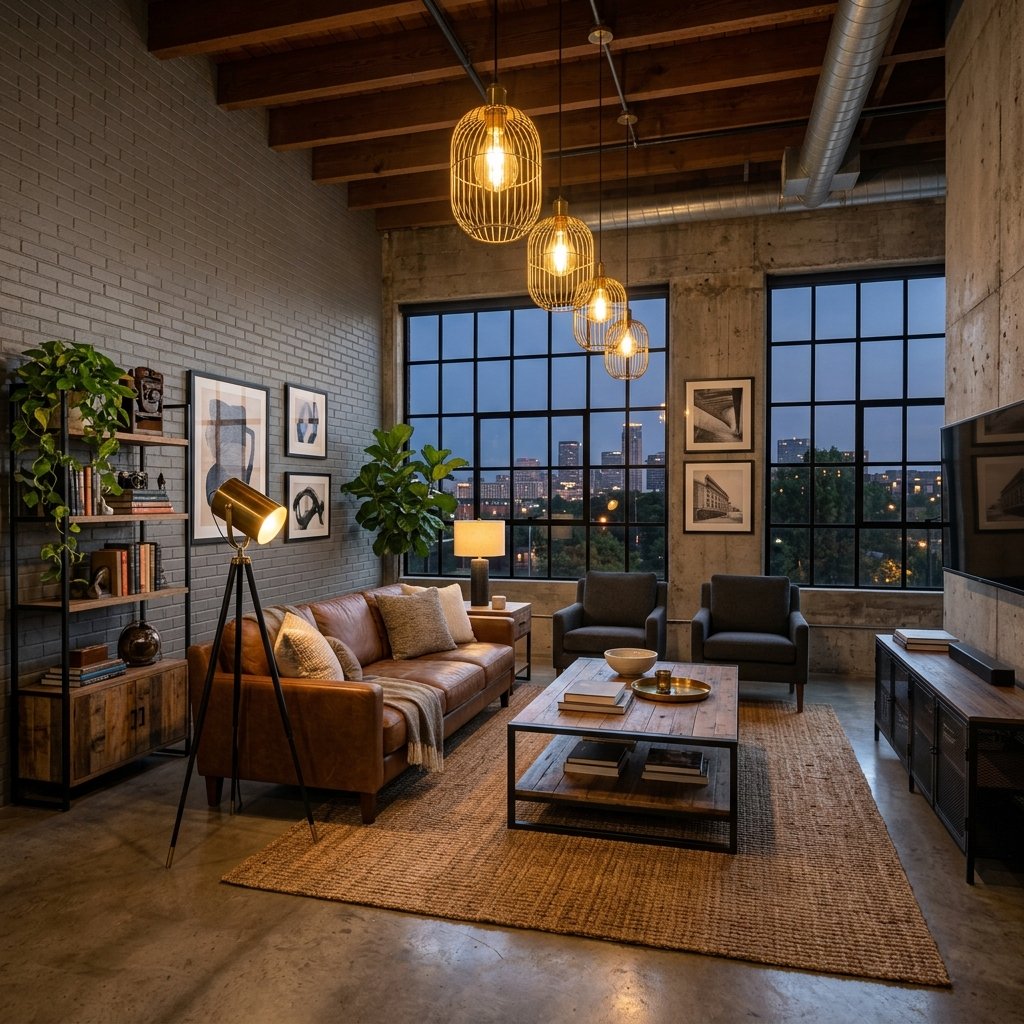
Industrial gray walls reference concrete and steel while remaining softer and more refined than pure gray or charcoal alternatives. The key to making this work is incorporating warm lighting—through lamps, fixtures, or even candlelight—that softens the industrial aesthetic. Exposed bulbs, vintage-style fixtures, and warm color temperature lighting transform industrial gray into something inviting rather than cold.
This palette celebrates the industrial design movement while ensuring your living room remains a comfortable place to spend time with family. The contrast between cool gray walls and warm lighting creates sophisticated layering that feels thoughtfully designed.
Muted Ochre for Earthy Modern Vibes
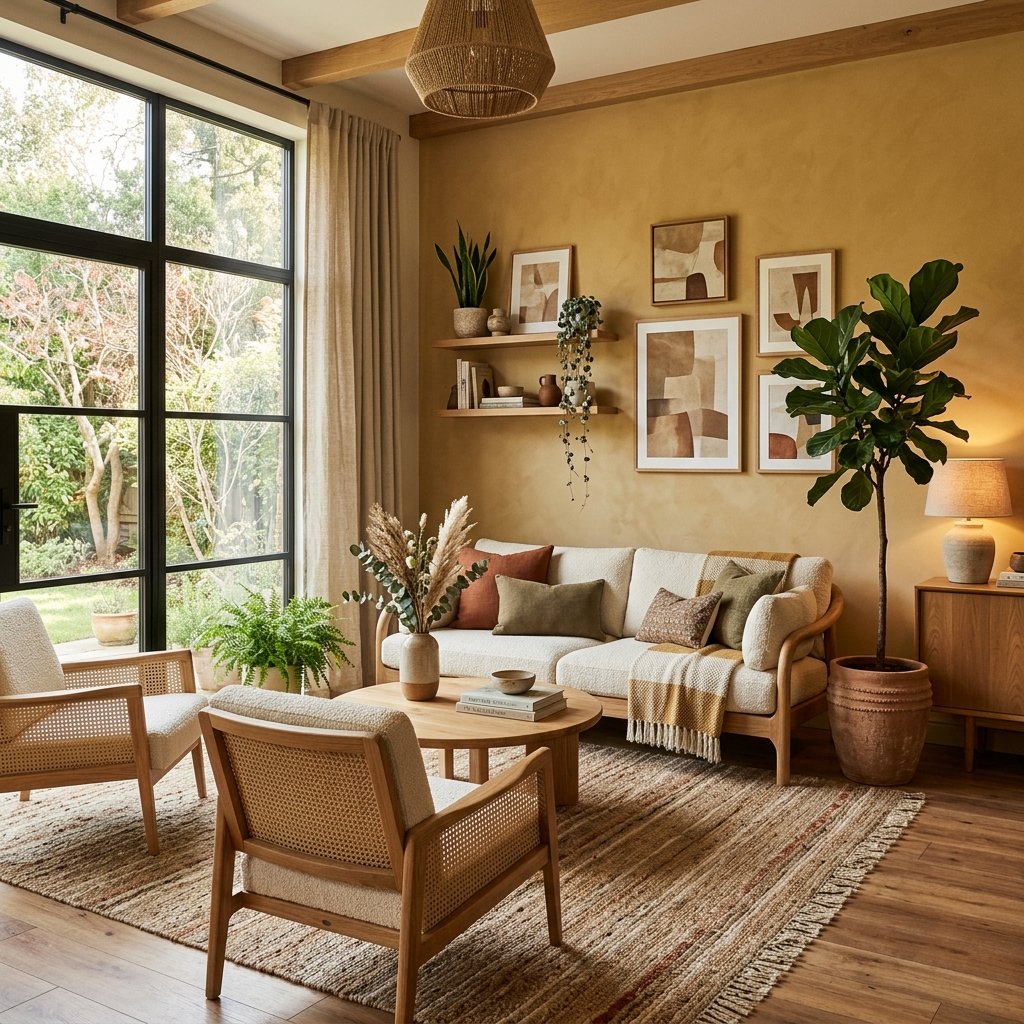
Muted ochre brings warmth and earthiness to modern spaces without the saturation of traditional ochre that might feel dated or heavy. This warm, golden-toned neutral works especially well in rooms with natural wood elements and organic textures throughout your furniture. Ochre references ancient, timeless color traditions while remaining distinctly modern in its muted, sophisticated presentation.
Ochre creates a cozy, grounded feeling that makes spaces feel like genuine homes rather than showrooms or magazines photographed for style. This color encourages gathering and conversation rather than creating the distance that cooler palettes sometimes establish in modern spaces.
Light Gray with Bold Furniture Colors
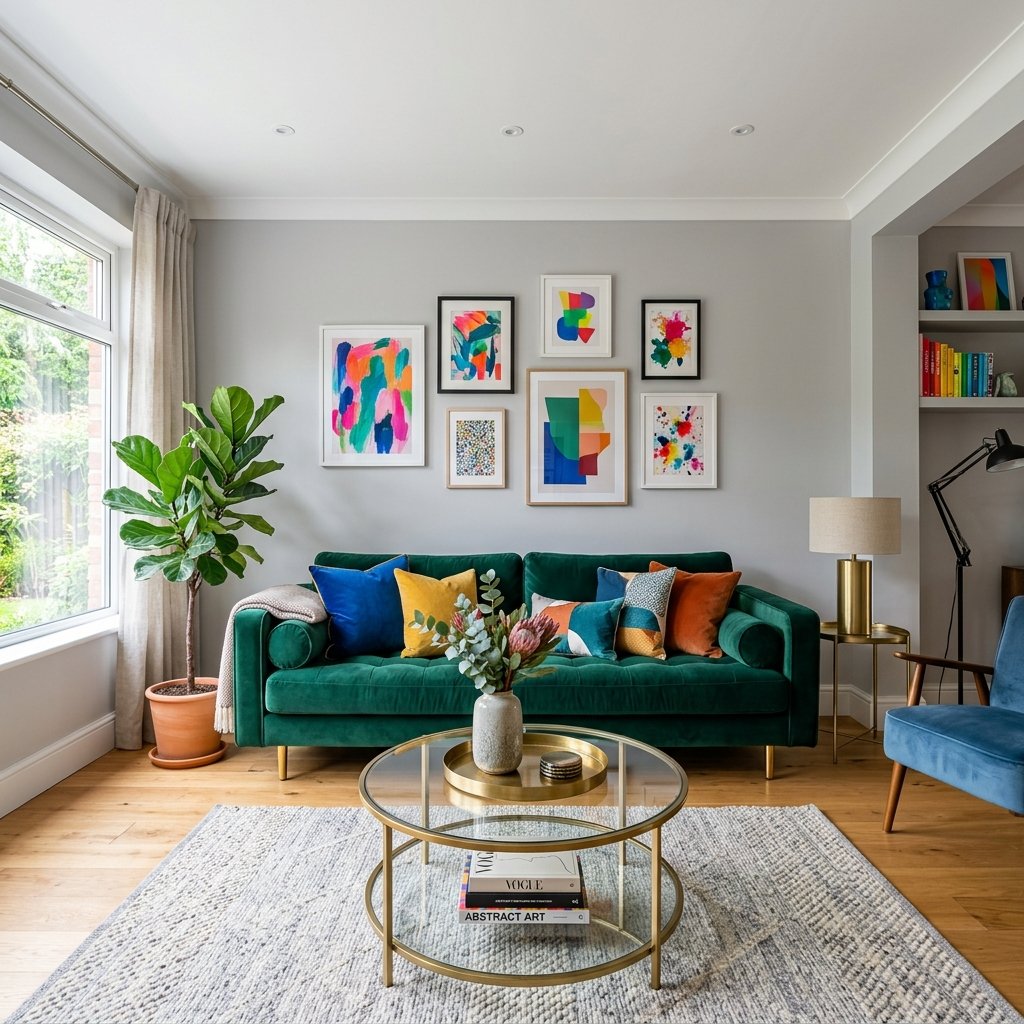
Light gray walls serve as a neutral canvas that allows your furniture to become the star of your modern living room color design. This approach works beautifully if you have bold-colored seating pieces, striking artwork, or vibrant textiles that you want to showcase. The light gray recedes visually, allowing darker furniture or colorful pieces to advance and claim attention in your space.
This strategy gives you flexibility to change your look seasonally or as your preferences evolve by simply swapping out furniture and accessories. Your walls remain constant while your room transforms based on what you introduce into the space.
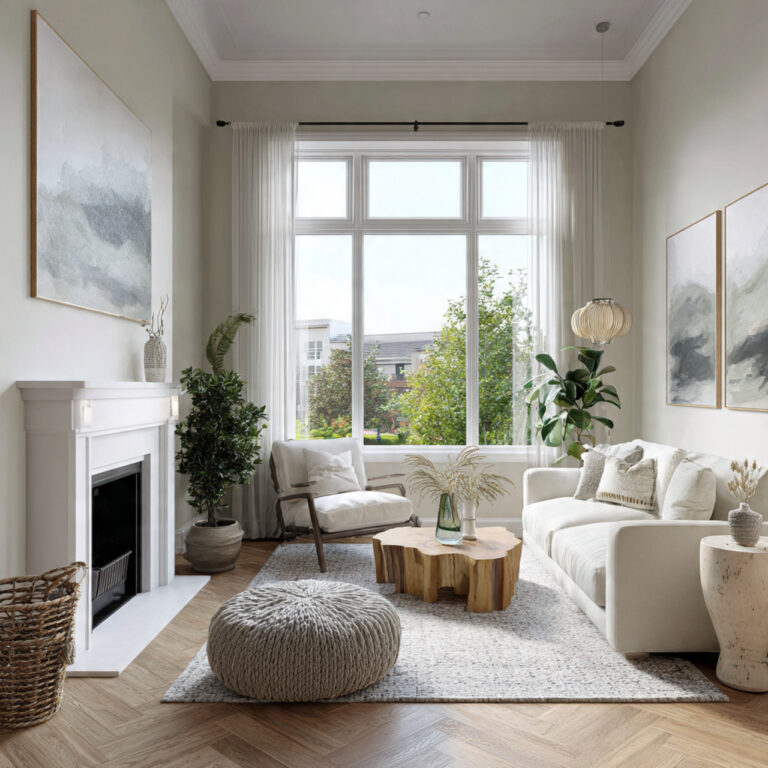
Scandinavian White with Wooden Accents
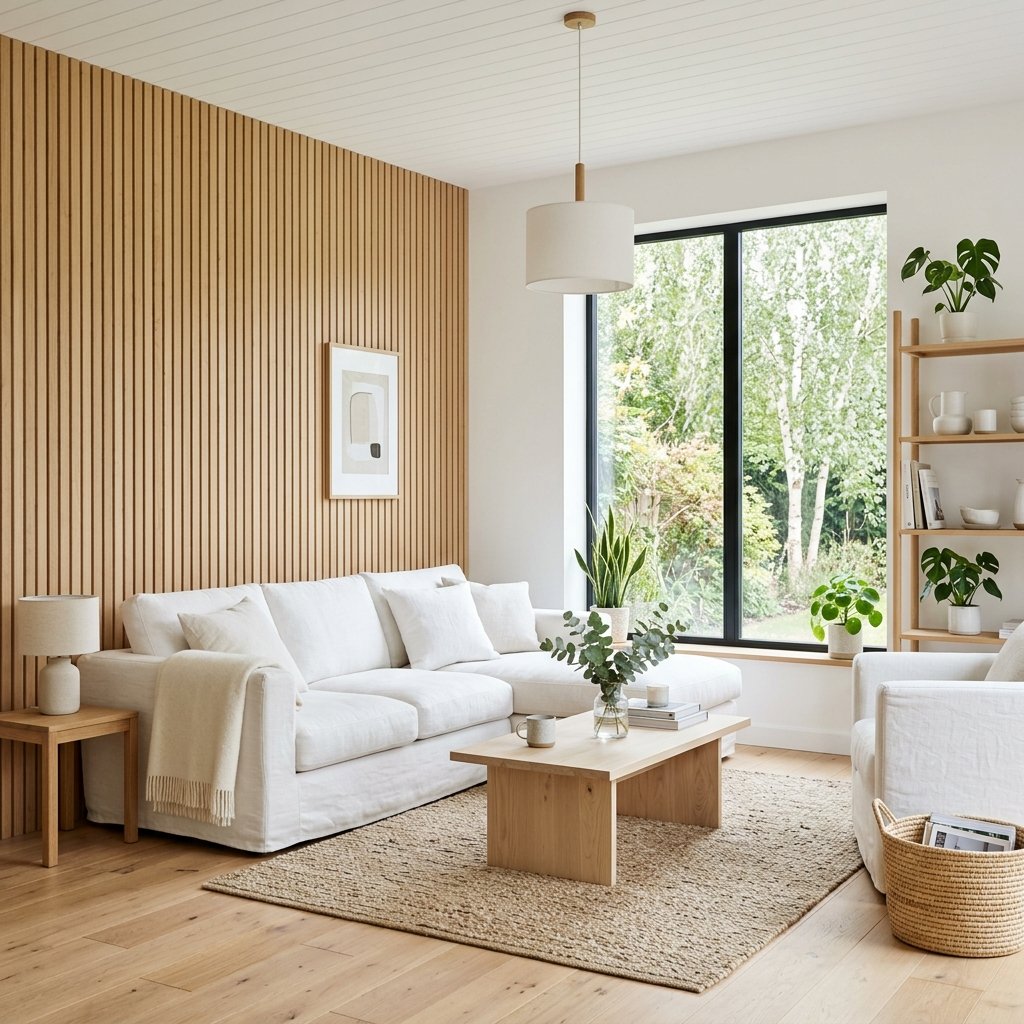
Pure Scandinavian white walls create the ultimate clean, minimalist canvas that celebrates simple living and intentional design choices. Wooden furniture pieces and wooden accent walls become the primary color and texture in rooms painted white, creating visual interest through material rather than paint. This approach honors Scandinavian design principles that emphasize functionality and connection to natural materials.
White walls in Scandinavian spaces are never sterile because the wooden elements bring warmth and character that prevents rooms from feeling cold. The contrast between white and various wood tones creates depth and visual interest without introducing additional paint colors.
Soft Greige in Low-Light Rooms
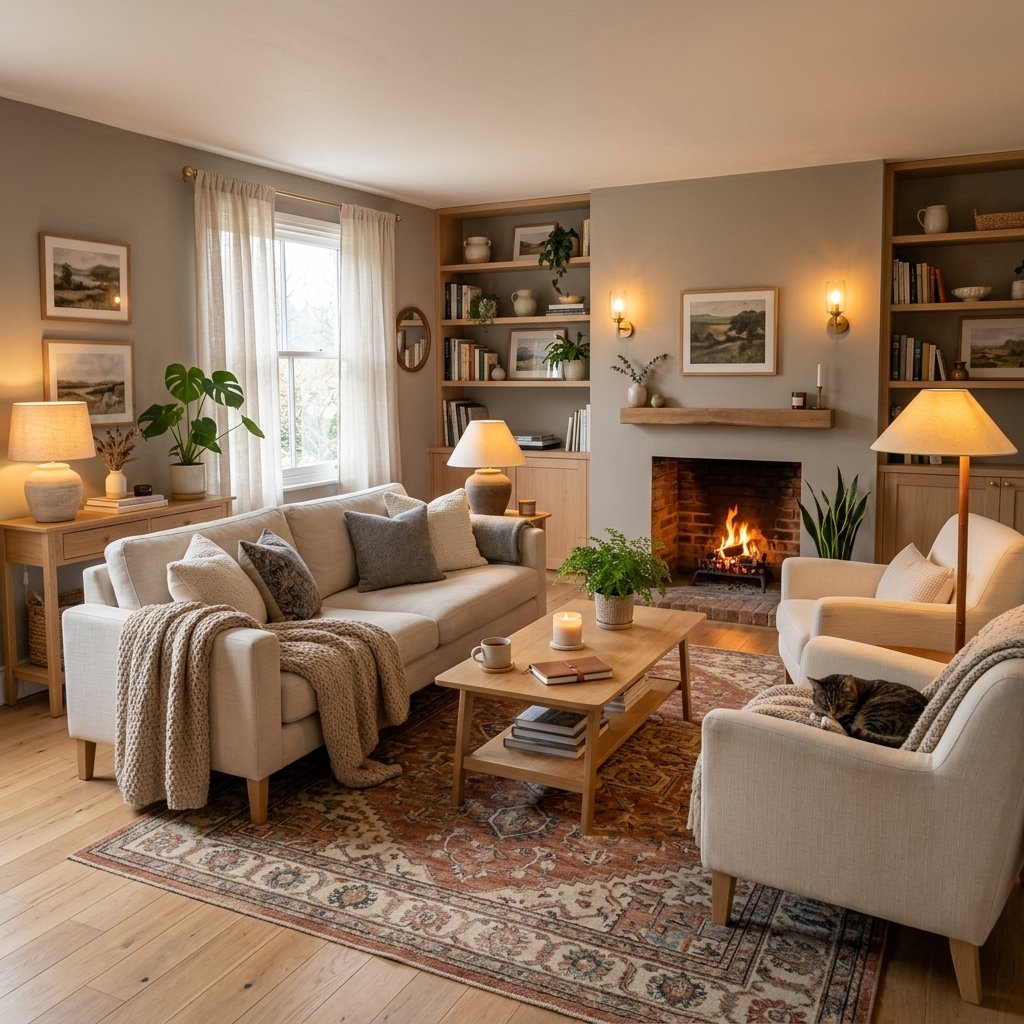
Soft greige becomes particularly valuable in rooms that struggle with natural light or don’t receive consistent sun exposure throughout the day. This color refuses to look gray and dingy like pure gray sometimes does in low-light situations, instead maintaining warmth and approachability. Soft greige reflects whatever light is available while introducing just enough warmth to feel inviting rather than institutional.
If your living room faces north or doesn’t have large windows, soft greige prevents the space from feeling gloomy or depressing. You still achieve the modern aesthetic without sacrificing the natural light reflection that helps rooms feel larger and more open.
Modern Neutral Palette with Depth Layers

Modern design thrives when you layer multiple neutral shades rather than relying on a single color throughout your entire space. Consider using different neutral tones for accent walls, trim, or architectural features that create visual depth while maintaining overall color harmony. This approach adds sophistication without introducing bold colors that might feel overpowering in modern minimalist spaces.
Layering neutrals—perhaps warm gray walls with charcoal trim and cream-colored shelving—creates visual interest through subtle variation. This strategy works beautifully in open concept spaces where you want to define different zones without actually dividing them.
Cool Taupe for Contemporary Elegance
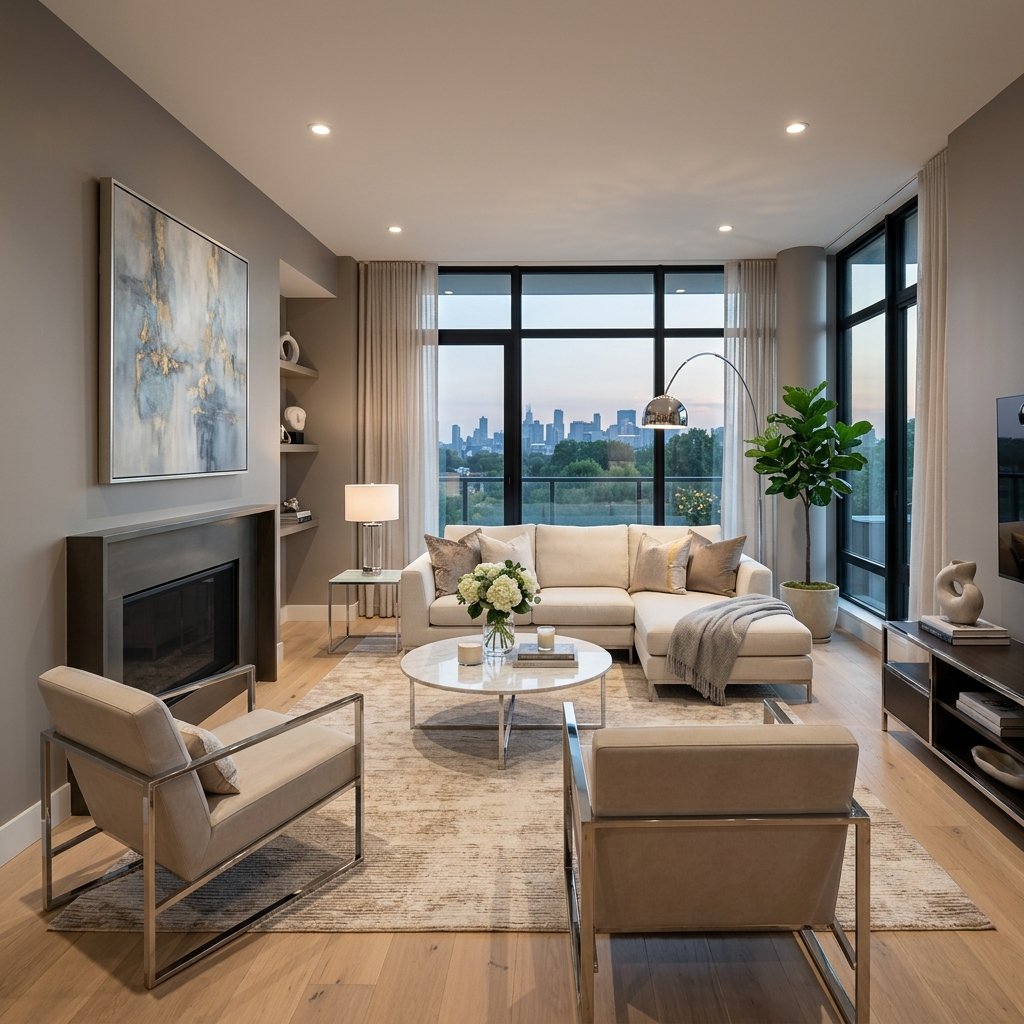
Cool taupe brings sophistication to modern spaces through its combination of neutral base and subtle cool undertone that reads as refined. This color works beautifully with sleek contemporary furniture, polished metals, and minimalist decor that emphasizes form and function. Cool taupe creates an elegant backdrop without the coldness that pure gray sometimes brings to residential spaces.
Contemporary design demands color choices that feel intentional and carefully considered rather than accidental, and cool taupe delivers that vibe. This shade works especially well in living rooms designed for entertaining where you want to project sophistication and good taste.
Warm Neutrals Complementing Mid-Century Pieces
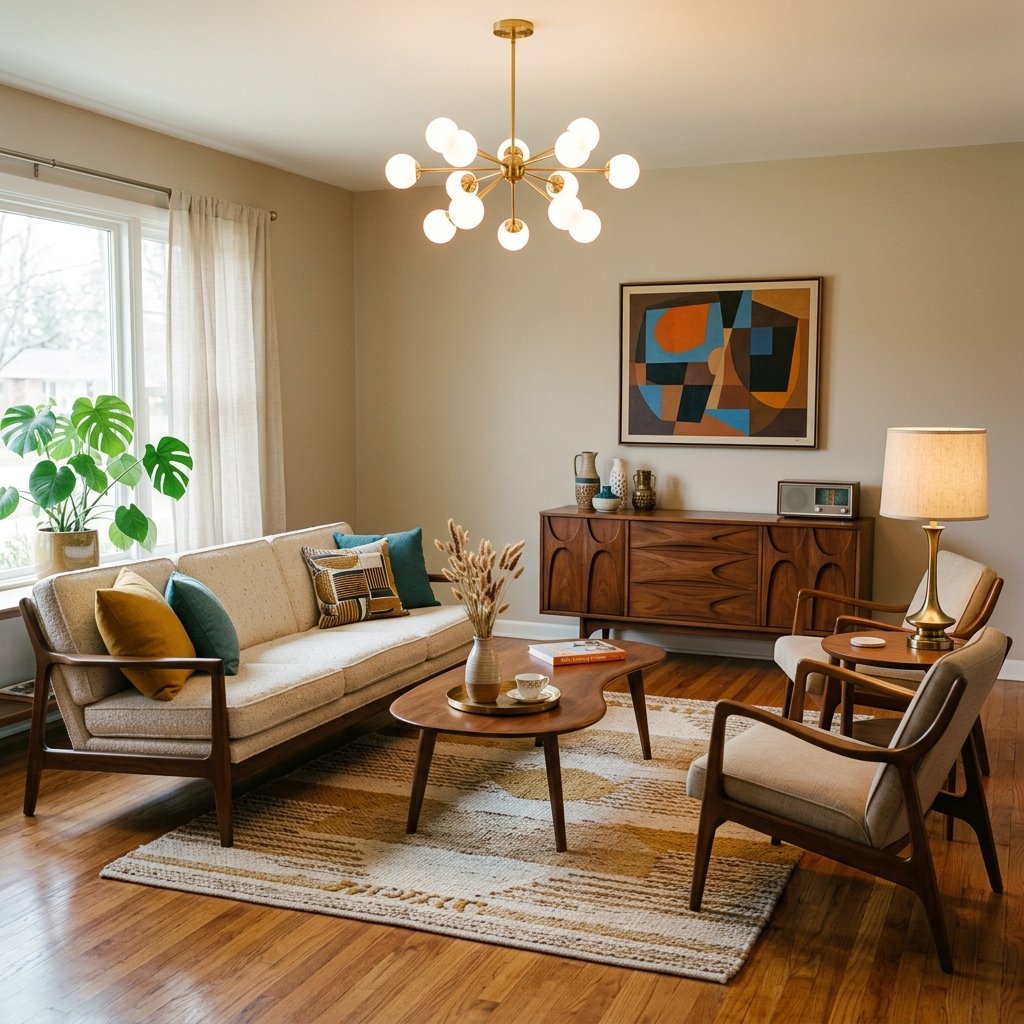
Warm neutral walls honor mid-century modern furniture while creating a contemporary feel that respects the past without being imprisoned by it. If you love mid-century pieces with their warm tones and organic curves, warm neutral walls amplify rather than compete with these elements. The combination creates a timeless aesthetic that transcends particular eras or design movements.
Mid-century modern furniture already contains personality and visual interest, so warm neutral walls become the supporting player rather than the star. This approach allows your furniture collection to shine while maintaining overall design cohesion throughout your space.
Charcoal for Dark Modern Living Room Color
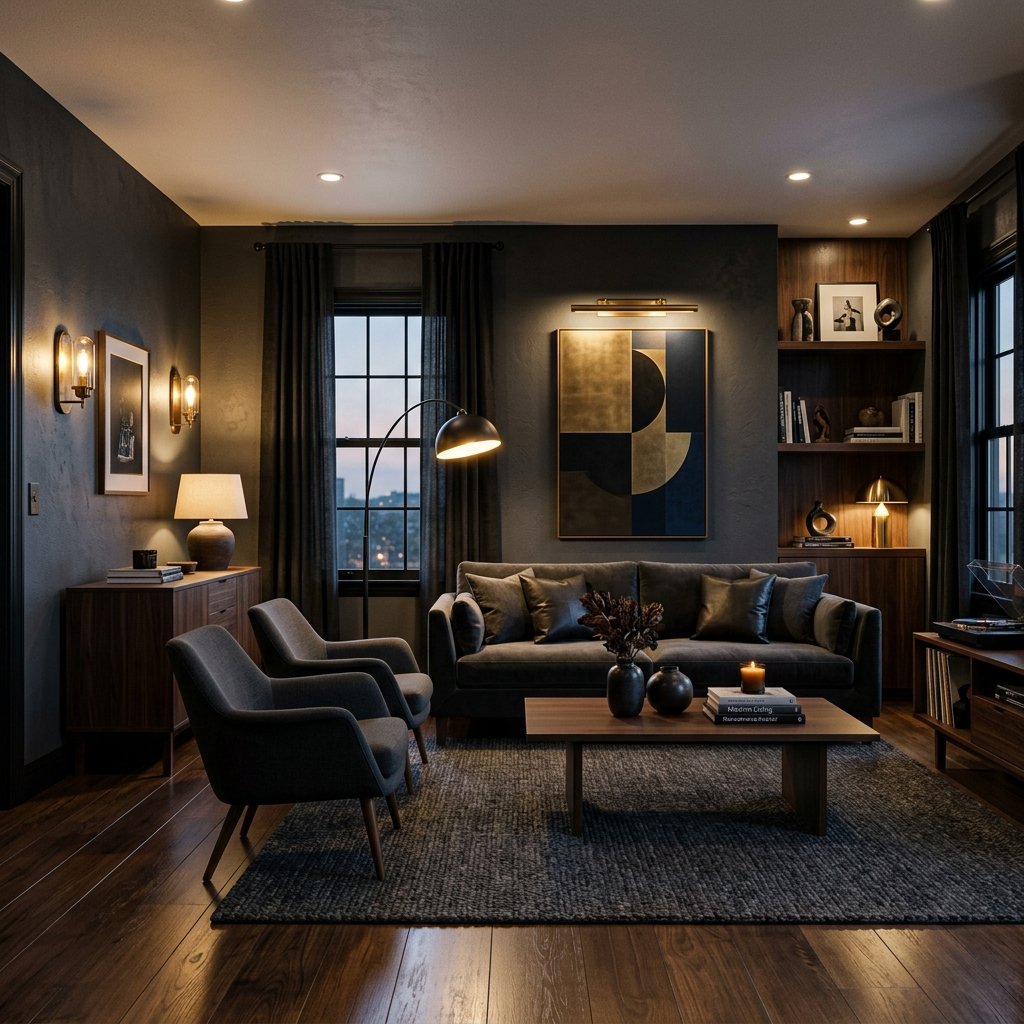
Charcoal walls in naturally dark rooms with limited light require brave decision-making and commitment to creating visual interest through other elements. Strategic lighting becomes essential—consider wall sconces, floor lamps, or pendant lights that illuminate artwork, shelving, or architectural features. Dark rooms with charcoal walls can feel luxurious and intimate rather than gloomy when lit thoughtfully.
This palette works best for homeowners who genuinely love darker, moodier spaces rather than those trying to follow a trend. Charcoal dark rooms work beautifully in bedrooms, libraries, or media rooms where dimmer, more intimate lighting enhances rather than detracts from functionality.
Minimalist Palette with Single Accent Wall
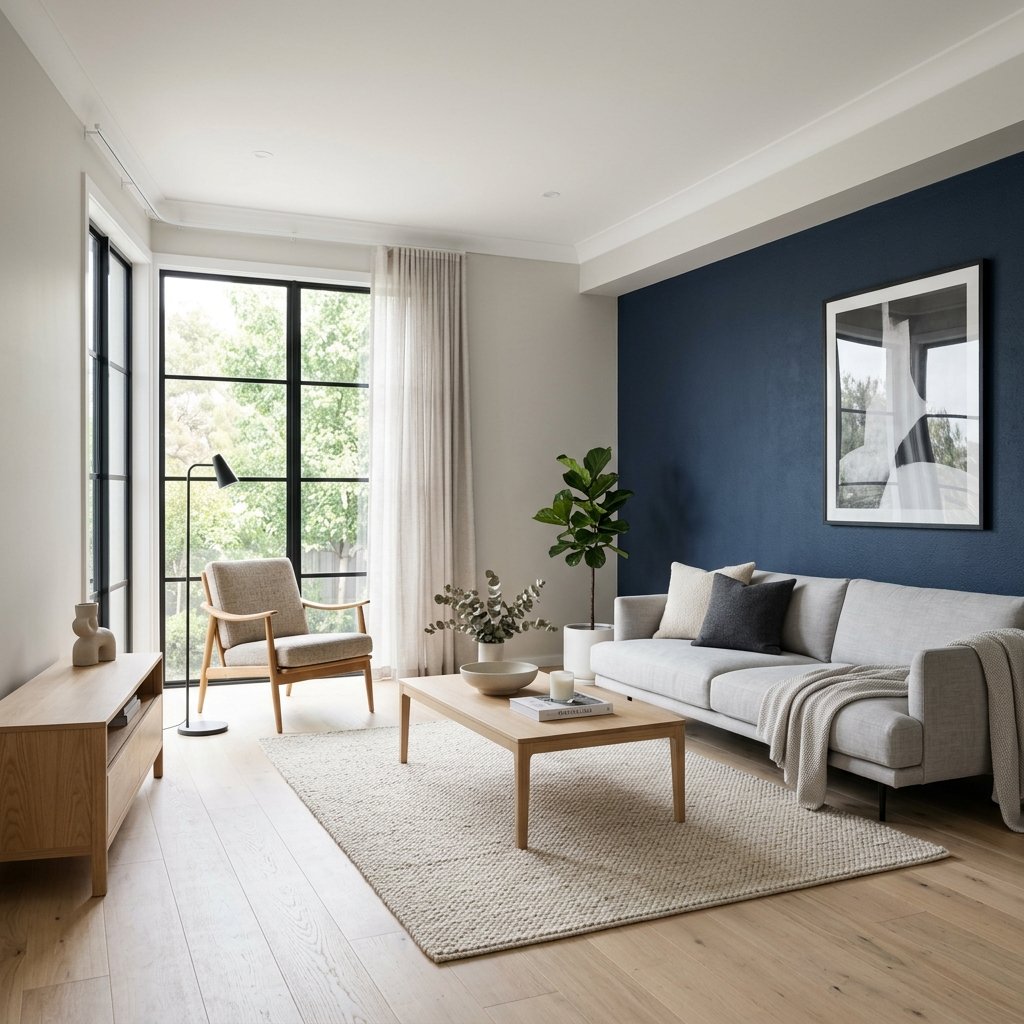
Minimalist design principles shine when you commit to neutral walls everywhere except one strategic accent wall that anchors your space. This single accent wall becomes a design focal point—perhaps behind seating, along the entrance, or featuring a window wall. The restraint demonstrated by limiting color to one wall reads as intentional and designerly rather than indecisive or uncommitted.
A minimalist approach with one accent wall allows you to introduce bolder color choices while maintaining the clean aesthetic modern design demands. Your eye focuses on the accent wall rather than competing with multiple colors vying for attention throughout your space.
Concrete Gray Walls with Warm Wood
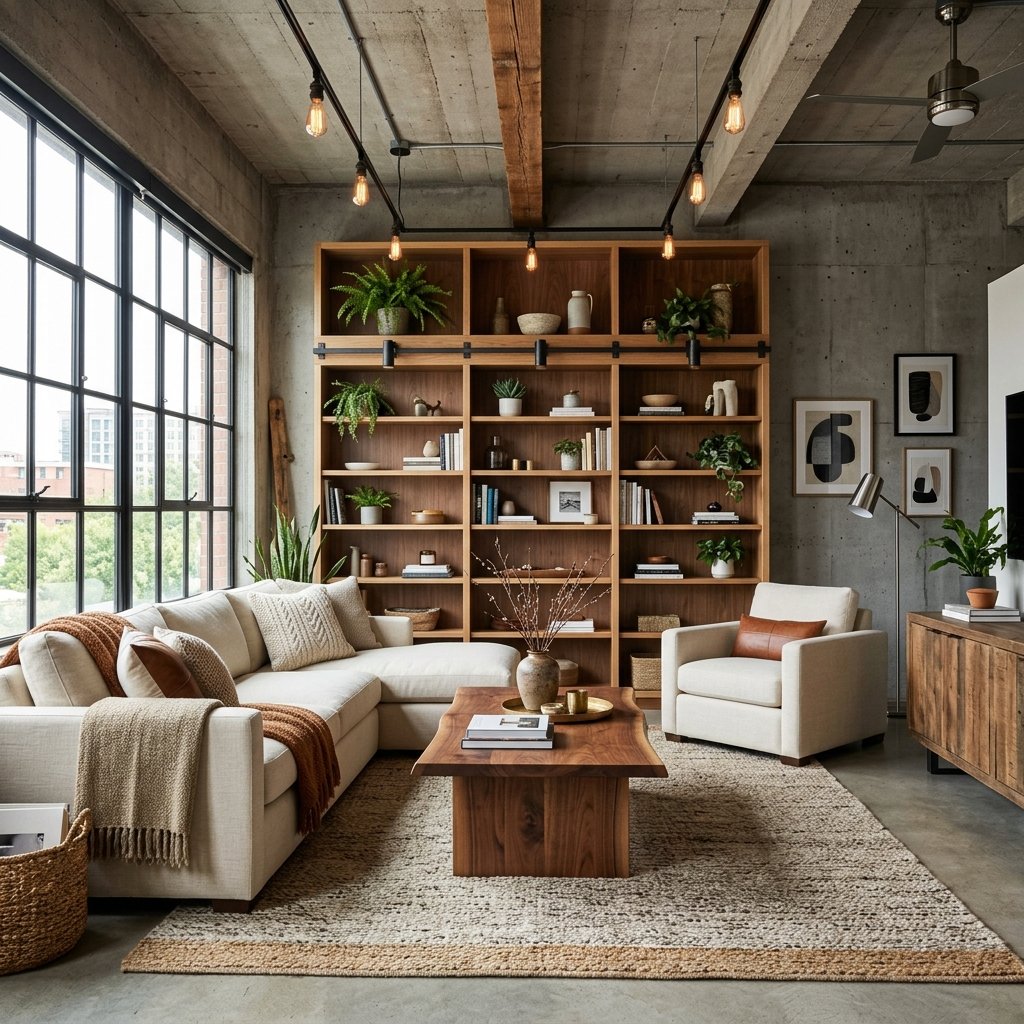
Concrete gray references industrial materials while remaining sophisticated enough for refined modern living room color spaces you actually want to spend time in. Pair this with warm wood furniture and wooden flooring to introduce organic warmth that concrete gray alone cannot provide your space. The combination honors both contemporary industrial design and Scandinavian warmth principles in one cohesive aesthetic approach.
Concrete gray walls remind viewers of actual concrete without committing you to the maintenance and texture challenges real concrete requires. You get the modern industrial vibe with the comfort and cleanliness that painted drywall provides in residential living spaces.
Soft White with Subtle Color Undertones
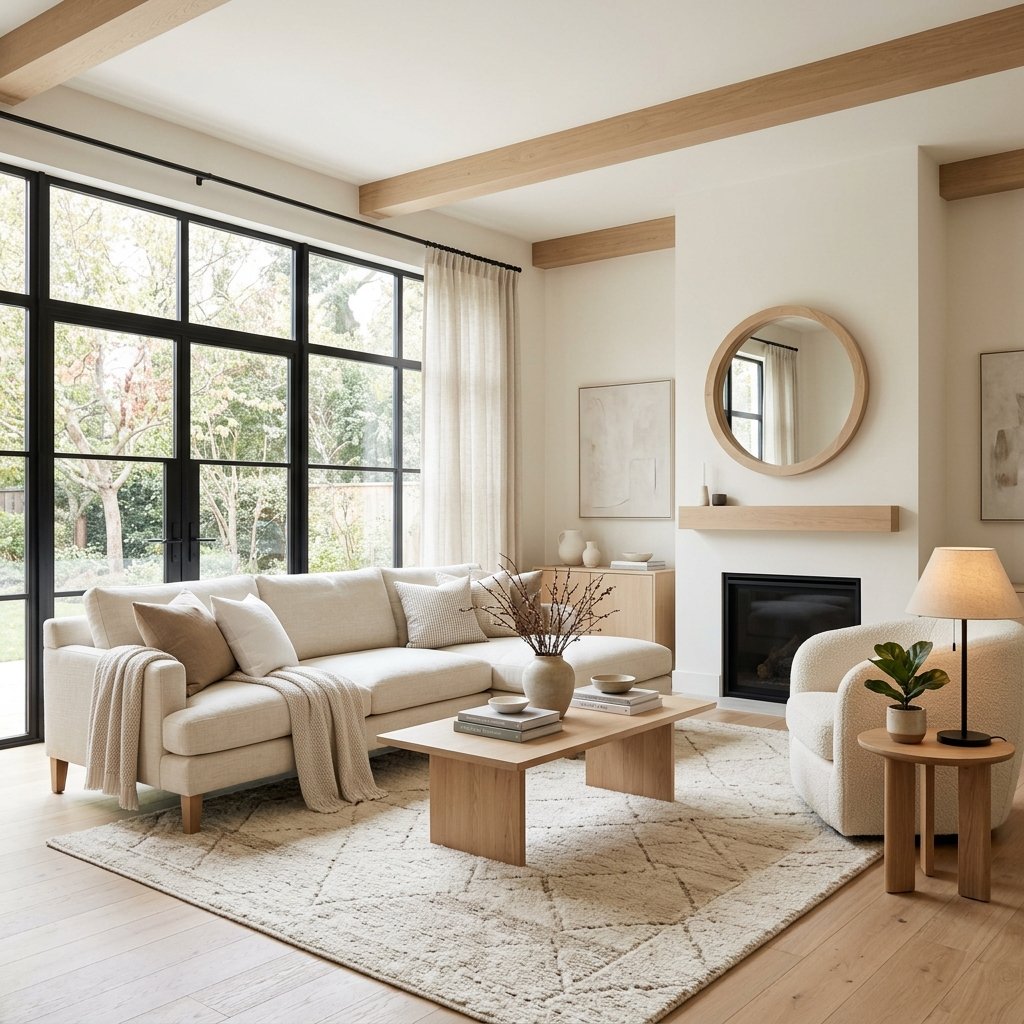
Soft white isn’t pure white—it contains subtle undertones of warmth or coolness that prevent sterility while maintaining minimalist aesthetics. Warm white creates approachability; cool white creates sophistication; soft white simply creates a foundation for everything else in your room. This distinction matters because pure white can feel harsh and uninviting in living spaces designed for gathering and relaxation.
Soft white works beautifully with virtually every furniture style and color palette you might introduce to your space. This neutrality gives you maximum flexibility to evolve your room’s look as your preferences change throughout the years.
Open Concept Color Flow from Room to Room
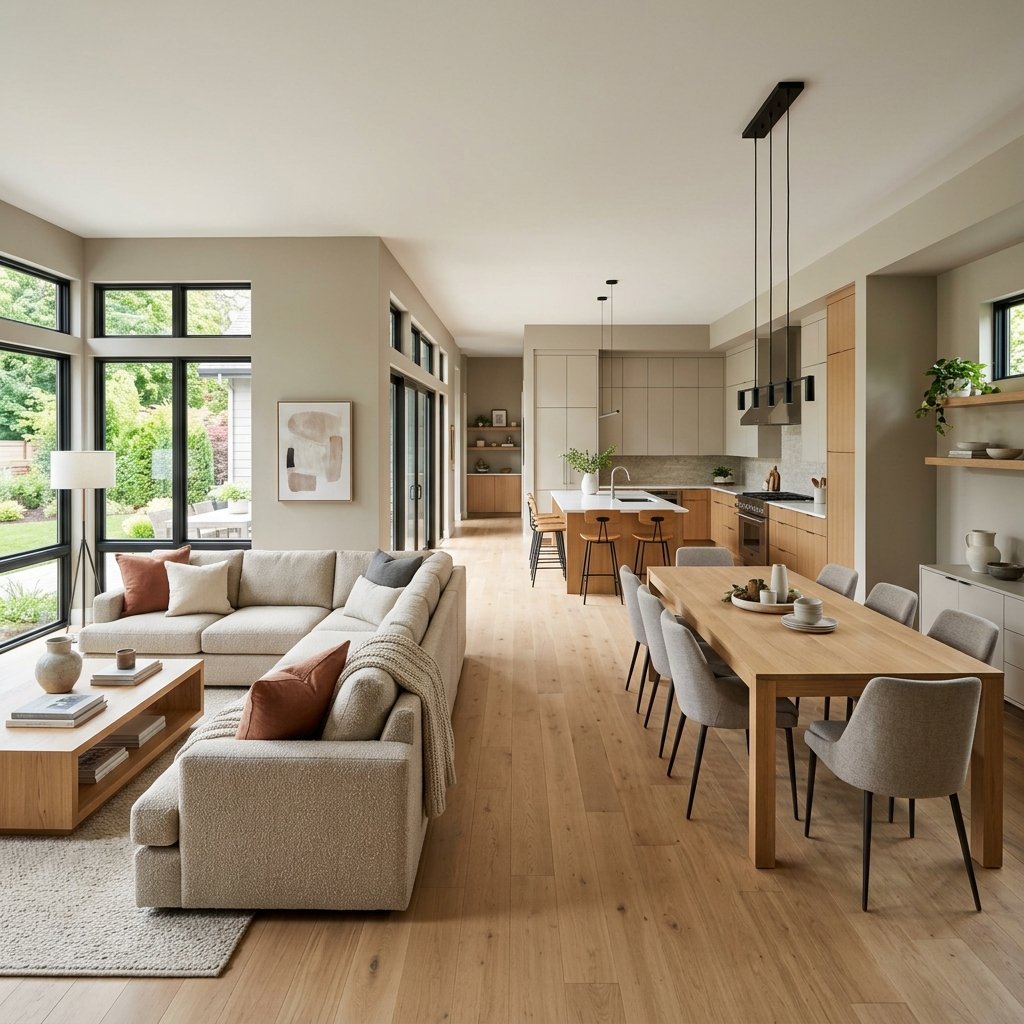
Open concept living demands color choices that create visual continuity while allowing different functional zones to feel intentional and separated. Consider using the same neutral base color throughout while introducing accent colors or slightly different tones in each zone. This approach creates flow without monotony, allowing your eye to travel smoothly while still perceiving distinct spaces.
Your Modern living room color should transition logically to your kitchen or dining area color, creating a sense of thoughtful design rather than random choices. Consistent neutrals with varied accents achieve this flow beautifully in open concept modern homes.
Artificial Lighting Considerations for Cool Tones
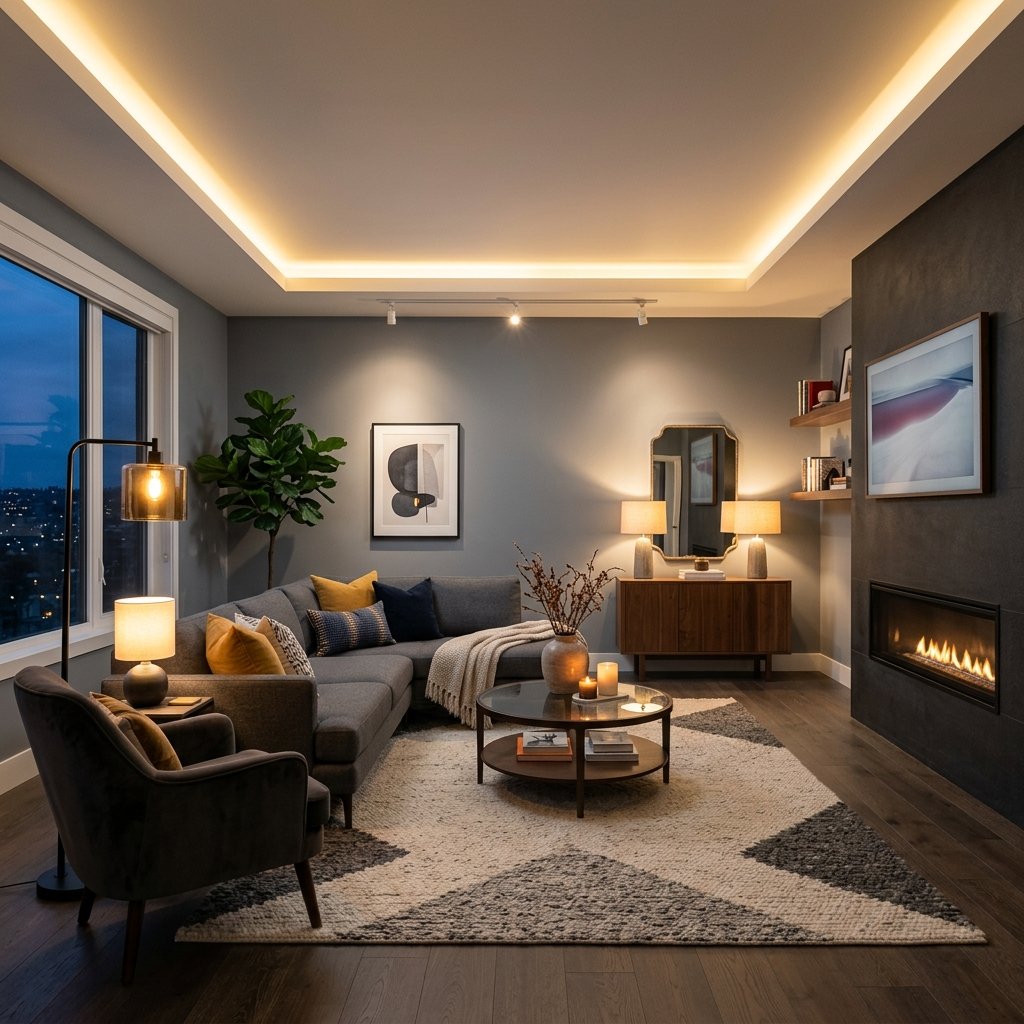
Cool-toned wall colors like gray and blue can look harsh or cold under fluorescent or overly bright artificial lighting situations. If your living room relies primarily on artificial light, consider warm-toned lighting solutions like LED bulbs with warm color temperature. The interaction between cool wall colors and warm lighting creates sophisticated balance that prevents either from dominating uncomfortably.
Understanding color temperature matters in modern homes where artificial lighting plays a significant role even during daylight hours. Your wall color choice should account for how artificial light will interact with it throughout evenings and darker seasons.
Natural Light Maximizing Warm Palette Strategy
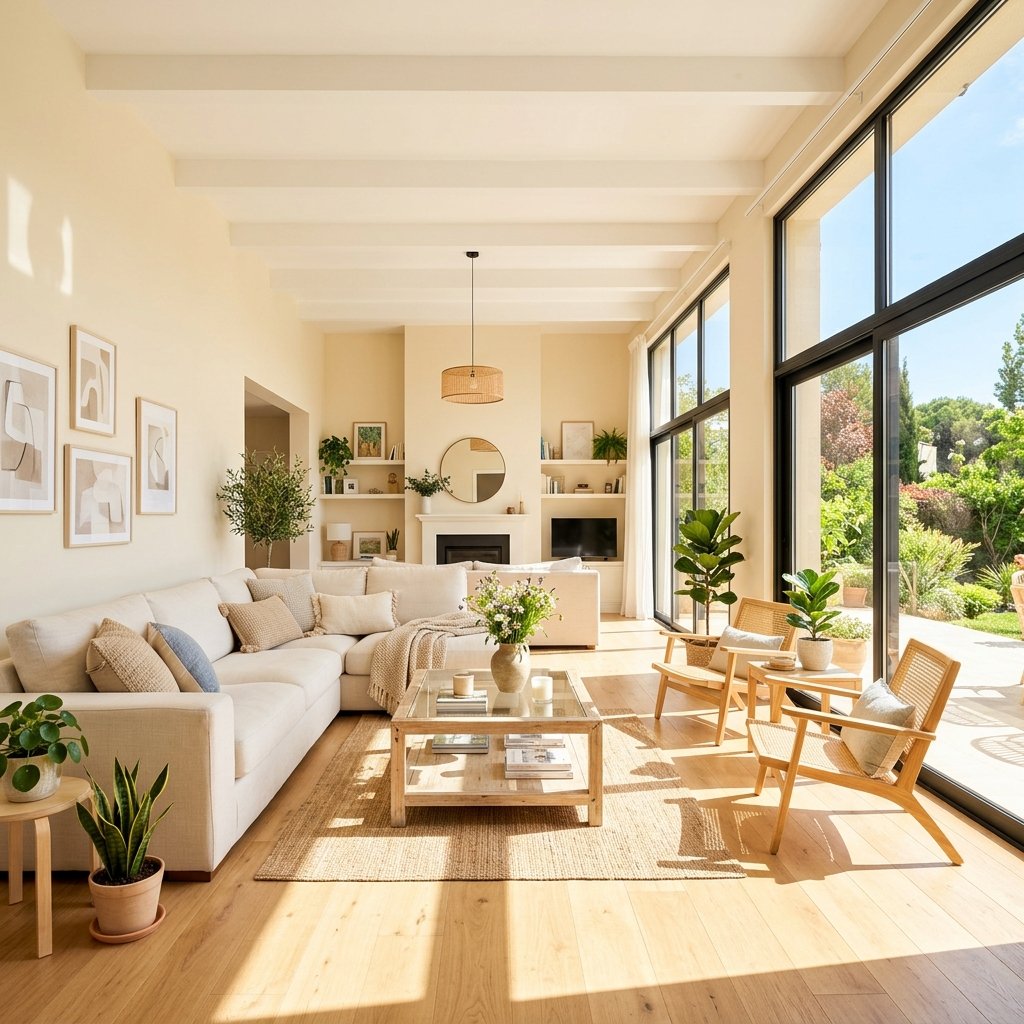
Rooms flooded with natural light benefit from warm color palettes that celebrate and amplify that precious light throughout the day. Warm beige, warm gray, and warm taupe walls work beautifully with abundant natural light, creating spaces that feel alive and energized. Northern exposures warrant different color consideration than south-facing rooms that receive stronger, more consistent direct sunlight.
Consider how your room’s light changes throughout the day and seasons before committing to wall colors that might look dramatically different under varying light conditions. Rooms with excellent natural light have more flexibility with color choices than those struggling with limited illumination.
Modern Living Room Color Trends 2026
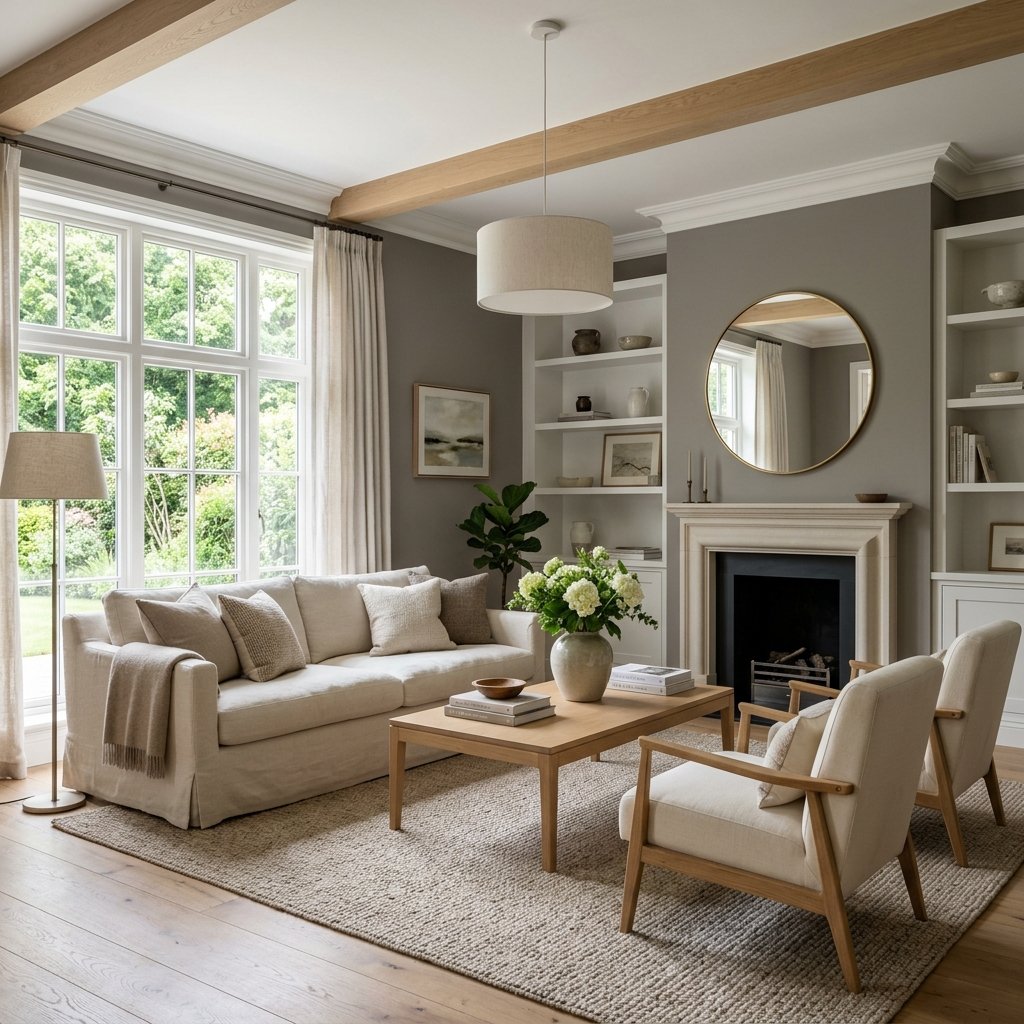
Contemporary color trends lean toward warm neutrals, muted jewel tones, and greige variations that feel timeless rather than trendy. The movement away from pure gray toward warm alternatives suggests homeowners crave authenticity and organic warmth in their living spaces. Earthy tones like sage green, warm taupe, and terracotta continue gaining popularity as people seek connection to natural elements.
Bold colors appear in accent form rather than covering entire rooms, suggesting sophistication in how homeowners approach color in modern design. Sustainable, natural color palettes inspire the most influential contemporary design work right now.
Timeless Neutral Combinations That Won’t Fade
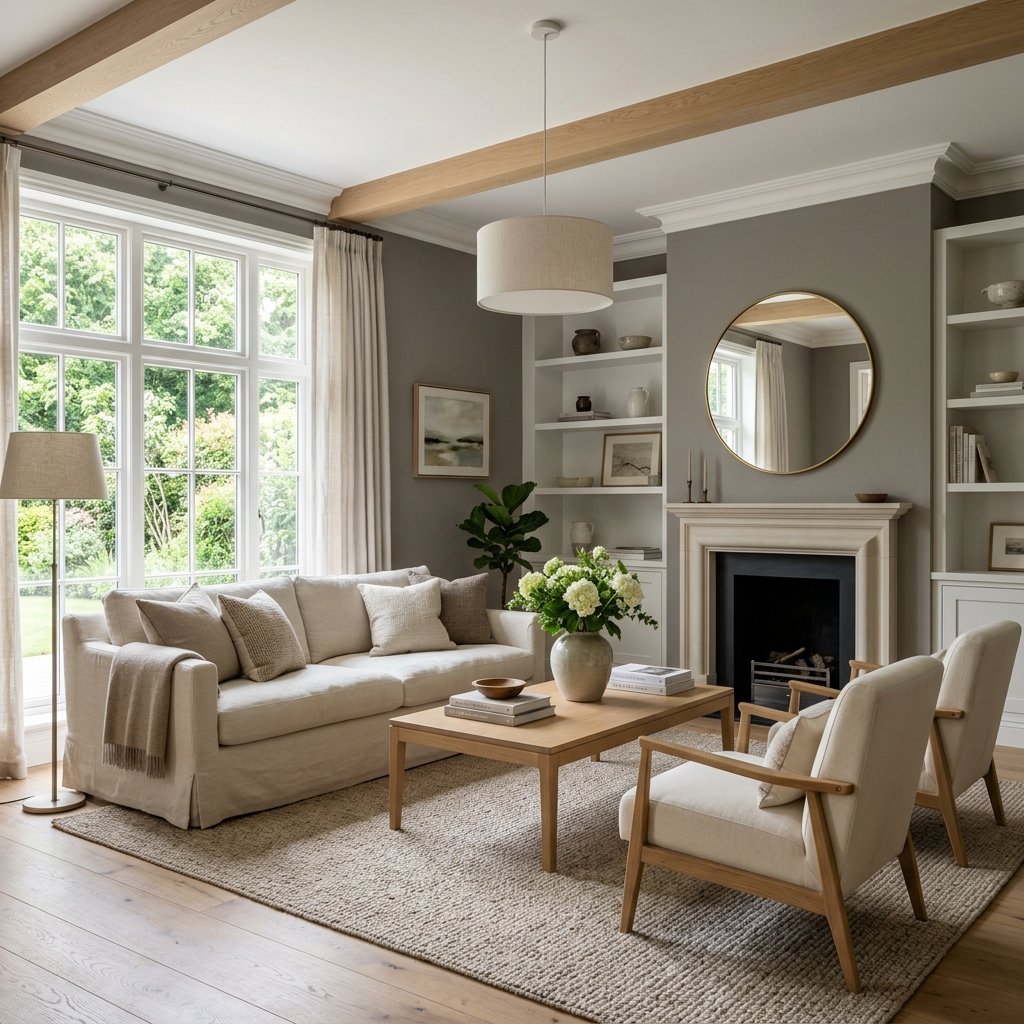
Timeless color choices honor design principles rather than chasing whatever appears on design blogs this month or next season. Warm neutrals combined with natural wood, cool grays paired with metal accents, and creamy whites with wooden elements all feel eternally modern. These combinations work because they respect fundamental design principles about light, contrast, and organic warmth.
Avoiding trendy colors doesn’t mean avoiding personality; it means choosing colors with staying power that won’t feel dated in five years. Timeless combinations feel fresh and contemporary while possessing the maturity and restraint modern design values.
Personal Expression Within Modern Color Constraints
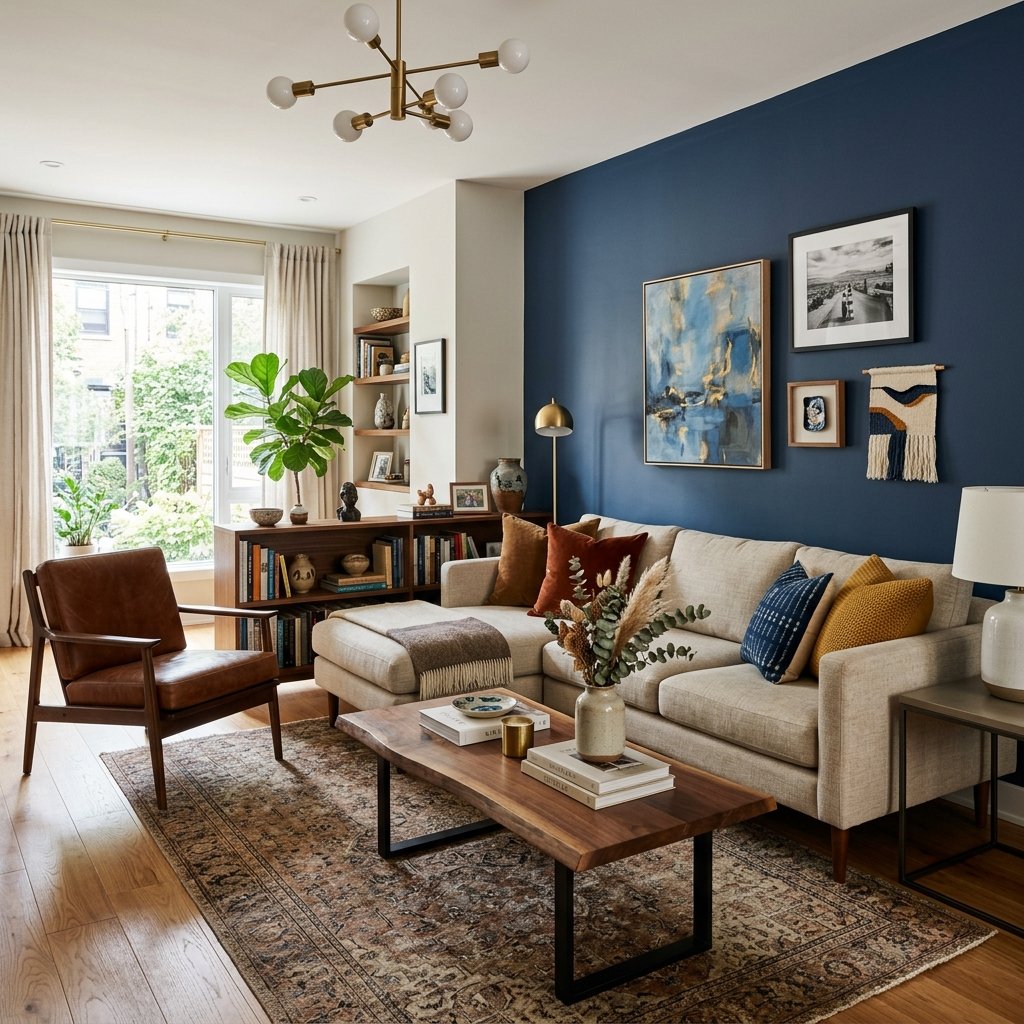
Modern design doesn’t demand uniform neutral palettes; it demands intentional choices that reflect your personality while respecting design principles. Your personal expression emerges through how you use color, combine elements, and create visual interest within thoughtful parameters. Some homeowners express themselves through bold accent walls; others through subtle layering of warm and cool neutrals.
The modern aesthetic accommodates different personalities when you make deliberate choices aligned with your taste and lifestyle. Your Modern living room color should feel genuinely like you rather than copied from a magazine or designed to impress others who visit your home.
FAQs About Modern Living Room Color Ideas
What colors actually work best in modern living rooms?
Warm neutrals like greige, warm gray, and cream work beautifully in most modern spaces because they feel intentional while remaining flexible. Soft whites, cool grays, and muted earth tones also succeed when chosen with consideration for your room’s light and furniture. The best color is one that aligns with your personal taste while respecting modern design principles of simplicity and purpose.
How do I choose between warm and cool neutrals for my space?
Consider your room’s natural light exposure and your existing furniture tones before deciding on warm versus cool neutrals. South-facing rooms with abundant light often work beautifully with either, while north-facing rooms benefit from warm neutrals. Your wood furniture tones should guide the decision—warm wood pairs better with warm neutrals, while cooler furniture suits cooler wall colors.
Can I use bold colors in a modern living room successfully?
Bold colors work beautifully in modern spaces when used as strategic accents rather than covering all four walls completely. A single accent wall in navy, emerald, or charcoal creates visual interest without overwhelming your space or feeling trendy. Keep bold color limited to approximately twenty-five percent of your wall space for the most sophisticated results.
Does natural light really change how modern colors look?
Natural light dramatically impacts how colors appear throughout the day and seasons, sometimes making the same color look completely different. Cool colors appear cooler in natural light while warm colors become more saturated and vibrant. Testing paint samples on your actual walls under real lighting conditions matters more than picking colors from samples in artificial lighting.
How do I prevent my modern room from looking cold or sterile?
Introduce warmth through wooden furniture, natural textiles like linen and cotton, and layered lighting that isn’t too bright or clinical. Warm neutral wall colors combined with these elements prevent modern spaces from feeling cold or institutional. Personal touches like artwork and carefully chosen objects prevent your room from feeling sterile despite the minimalist design approach.
Conclusion
Modern living room color ideas are ultimately invitations to be intentional about your space rather than rules you must follow rigidly. The freedom of modern design means your color choices can reflect exactly who you are while maintaining the clean aesthetic you genuinely love and appreciate. Whether you choose warm greige, cool gray, bold charcoal, or soft white, the right decision aligns with your light, furniture, and personal preferences.
The best modern living room color is the one that makes you want to spend time in that space surrounded by people you care about. Trust your instincts about what feels right for your home, experiment with combinations that speak to your heart, and remember that paint is temporary if you discover your choices aren’t working after all. Your modern living room color should feel like home—functional, beautiful, and authentically yours.